Kenya Solar Energy Ltd: Advanced Solutions for Sustainable Power
Harness the power of the sun with bespoke solar solutions tailored for Kenyan businesses and industries. We deliver efficiency, cost savings, and unparalleled reliability.

Table of Contents
For most businesses in Kenya, consistent and affordable energy is not a luxury, but a fundamental requirement for daily operations and long-term growth. Traditional power sources often come with fluctuating costs, supply unreliability, and significant environmental impact. This is precisely where a dedicated Kenya Solar Energy Ltd becomes indispensable.
Energy Meets Intelligence: Powering The Future
Delivering reliable off-grid energy and smart infrastructure solutions designed for businesses, cities, and large-scale projects across Africa.
At Power Stack Africa, we’ve empowered countless Kenyan entities to transition to solar. We understand the unique challenges and immense opportunities within the Kenyan market. Our expertise in solar panel cost Kenya and system implementation ensures you receive not just energy, but a strategic investment that pays dividends through reduced operating expenses and enhanced sustainability.
This article dives deep into what constitutes elite solar energy services in Kenya, why partnering with a specialized provider is crucial for your business, and how our tailored approach at Power Stack Africa delivers measurable, impactful results. We’ll cover the essential considerations, the common pitfalls to sidestep, and the tangible benefits that come with embracing advanced solar technology.
Average Reduction
Years Operational
Projects Completed
Did You Know? Kenya’s solar irradiance is among the highest globally, offering tremendous potential for businesses to generate their own clean, cost-effective electricity – a resource that remains significantly under-tapped by many industries.
What is a Professional Kenya Solar Energy Ltd?
When we talk about a professional “Kenya Solar Energy Ltd” service, we’re referring to a comprehensive, end-to-end provider of solar power solutions. This extends far beyond simply installing panels. It encompasses meticulous system design based on precise energy audits, sourcing high-quality, durable components suited to the Kenyan climate, expert installation by certified technicians, and ongoing support and maintenance. We handle everything from navigating regulatory requirements to ensuring optimal system performance for years to come.
For decades, the conventional approach to powering businesses involved a heavy reliance on the national grid, often supplemented by expensive diesel generators. This model is fraught with inefficiency. Grid power suffers from frequent outages and escalating tariffs. Backup generators are noisy, polluting, and incur substantial fuel and maintenance costs. The operational expenses alone can cripple a business’s profitability. Furthermore, the environmental implications are increasingly becoming a point of concern for consumers and stakeholders alike.
The Evolution of Energy Solutions in Kenya
The advent of advanced solar technology and the growing recognition of its viability have reshaped the energy landscape. A professional solar energy provider leverages this shift, offering a paradigm that is both economically and ecologically superior. This isn’t just about switching to a green alternative; it’s a strategic move towards energy independence and operational resilience. We see clients moving from reactive energy management to proactive, sustainable power generation.
| Old Approach (Grid/Generators) | New Approach (Professional Solar Energy Ltd) |
|---|---|
| Reactive power management & constant utility bills | Proactive energy generation & significant cost savings |
| Vulnerable to grid outages & power rationing | Enhanced energy security & operational continuity |
| High, unpredictable operational expenses (fuel, maintenance) | Predictable, low long-term energy costs, high ROI |
| Environmental pollution (emissions, noise) & negative brand perception | Clean, sustainable energy & improved corporate social responsibility |
| Limited control over energy supply & costs | Energy independence & long-term price stability |
| Complex procurement of generators, fuel, and maintenance contracts | Integrated system design, professional installation, and turnkey solutions |
| Focus on crisis management for power failures | Strategic infrastructure investment for future-proofing |
Why Businesses Choose Power Stack Africa for Solar Energy
In our experience at Power Stack Africa, businesses in Kenya are increasingly seeking more than just a power source; they demand certainty, efficiency, and a partner who understands their specific operational needs. Choosing a specialised provider like Power Stack Africa means aligning with a team that has a proven track record in delivering reliable solar energy systems across diverse sectors.
Clients collaborate with us because we bring a level of technical expertise and market insight that generic suppliers lack. We meticulously assess your unique energy consumption patterns, site conditions, and business objectives. This diagnostic approach ensures that the proposed solar solution is not a one-size-fits-all answer, but a precisely calibrated system designed for maximum ROI and long-term efficacy. Our commitment to using high-grade components, certified installation practices, and comprehensive warranties provides peace of mind that fluctuating energy prices and unreliable grids simply cannot offer.
Guaranteed Performance
We provide performance guarantees and warranties, ensuring your investment yields predictable returns.
Cost Efficiency & ROI
Our solutions are designed for rapid payback periods and significant long-term savings on your energy bills.
Energy Independence
Reduce reliance on the national grid and volatile fuel prices, ensuring operational stability.
Our Process: From Consultation to Commissioning
At Power Stack Africa, we’ve refined our process to ensure seamless execution and client satisfaction. We believe transparency and structured methodology are key to successfully implementing solar energy systems, especially within the dynamic Kenyan context. Our phased approach guarantees that every aspect of your project is managed with precision and expertise.
-
Initial Consultation & Energy Audit
We begin with an in-depth discussion to understand your energy needs, operational patterns, and financial objectives. This is followed by a thorough site assessment and energy audit to quantify your current consumption and identify potential savings. -
Custom System Design & Proposal
Based on the audit, our engineers design a bespoke solar system tailored to your specific requirements. We present a detailed proposal outlining system specifications, performance projections, cost analysis, and projected ROI. Evaluating options for inverter and solar panel configurations is critical here. -
Procurement & Permitting
We source high-quality, certified solar components and manage all necessary permits and regulatory approvals within Kenya. Our established supplier relationships ensure competitive pricing and timely delivery of materials, crucial for adhering to project timelines. -
Professional Installation & Commissioning
Our certified technicians perform the installation adhering to the highest safety and quality standards. The system is then rigorously tested and commissioned to ensure optimal performance and integration with your existing infrastructure. We pay close attention to aspects like solar panel 500w integration and overall system efficiency. -
Monitoring, Maintenance & Support
Post-installation, we offer system monitoring services and comprehensive maintenance packages to ensure sustained performance and longevity. Our support team is readily available to address any queries or issues, guaranteeing your energy system operates flawlessly.
Energy Meets Intelligence: Powering The Future
Delivering reliable off-grid energy and smart infrastructure solutions designed for businesses, cities, and large-scale projects across Africa.
Pricing & Packages
Understanding the investment required for solar energy is crucial. While the initial outlay might seem significant, the long-term savings and benefits make it one of the most profitable investments for Kenyan businesses. At Power Stack Africa, we offer transparent pricing and flexible packages designed to fit various scales of operation. Our goal is to make high-quality solar solutions accessible and financially viable for every business.
The actual cost of solar panels Kenya depends on several factors: system size (kWp), the quality of components, installation complexity, and any additional features like battery storage or hybrid system integration. We provide detailed breakdowns for each proposal, ensuring you understand exactly where your investment is going. We also guide clients through available financing options and incentives.
Small Business Package
KSh 500,000 /System
- System Size up to 5 kWp
- High-efficiency solar panels
- Durable inverter + mounting system
- Standard installation & commissioning
- 1-year system warranty
Commercial & Industrial Package
KSh 2,000,000 /System
- System Size up to 25 kWp
- Premium grade solar panels
- Advanced hybrid inverter (Optional Battery)
- Full installation & grid integration
- Remote monitoring setup
- 5-year system warranty + panel performance guarantee
Large-Scale Project Solutions
Custom Quote
- Customizable system sizes (>50 kWp)
- Tier-1 solar components
- Hybrid system solar solutions
- On-site energy storage integration
- Dedicated project management
- Extended warranties & O&M contracts
- Financing & PPA advisory
Common Mistakes to Avoid
In our extensive work with Kenyan businesses on solar projects, we’ve observed several recurring mistakes that can significantly hamper performance, increase costs, or even lead to system failure. Avoiding these pitfalls is crucial for ensuring your investment in solar energy yields the desired returns and longevity.
1. Undersizing or Oversizing the System
Choosing a system that’s too small means you won’t meet your energy needs, defeating the purpose. An oversized system is an unnecessary, costly investment. Proper energy auditing and load calculation are non-negotiable. We use tools like Google Search Console data for initial insights into business types and common energy loads, but a site-specific audit is paramount.
2. Neglecting Component Quality
Cutting corners on panel efficiency, inverter reliability, or mounting hardware might seem cost-effective initially, but it almost invariably leads to higher replacement and maintenance costs down the line. Investing in reputable brands and certified products is essential for long-term performance. We carefully select components that meet stringent international standards and are proven in harsh African conditions.
3. Ignoring Installation Expertise
Solar installation is not a DIY job. Inadequate wiring, incorrect mounting, or poor sealing can lead to safety hazards, reduced efficiency, and premature system failure. Always opt for certified solar installers with a proven track record. Our technicians undergo continuous training and adhere to strict safety protocols, ensuring every install meets the highest benchmark.
4. Overlooking Maintenance and Monitoring
A solar system requires periodic cleaning and checks to maintain peak performance. Neglecting this can lead to a significant drop in energy output. Furthermore, not having a monitoring system means you might not detect issues until they become critical. We offer advanced monitoring solutions and maintenance plans to keep your system running optimally.
5. Lack of Future-Proofing
Consider your future energy needs. Will your business expand? Will you add more machinery or electrify processes? Designing a system with scalability in mind, or selecting components like robust inverters off grid that can accommodate future upgrades, is a wise strategy.
Real Results: Success Stories
Our impact is best illustrated through the tangible benefits our clients experience. We’ve partnered with diverse businesses across Kenya, from manufacturing plants to agricultural operations and commercial complexes, transforming their energy landscape.
Consider a medium-sized food processing plant in Nairobi. They were spending upwards of KSh 800,000 monthly on electricity and diesel for backup generators. After installing a Power Stack Africa solar system, their monthly energy expenditure on grid power was slashed by 70%, and generator usage dropped by over 90%. This resulted in an annual saving of nearly KSh 6 million, significantly improving their profit margins and allowing them to reinvest in their core operations. The enhanced reliability also meant uninterrupted production, preventing costly downtime.
Energy Cost Reduction Achieved
Another instance involves a large agricultural cooperative in the Rift Valley struggling with inconsistent power for their irrigation systems, particularly during peak seasons. Using solar panels for water pumps meant they could operate their pumps reliably during daylight hours, increasing crop yields and reducing water wastage. We designed a robust solar panels for water pump solution that integrated seamlessly with their existing infrastructure, ensuring consistent water supply and boosting their overall productivity by an estimated 25%.
Frequently Asked Questions
What is the typical lifespan of solar panels in Kenya?
High-quality solar panels, like those we source, are designed to last 25-30 years or more. Most manufacturers offer performance warranties guaranteeing a certain output level for at least 20-25 years. Factors like regular cleaning and proper installation by experts, as we provide, ensure they meet these longevity expectations even in Kenya’s climate. We’ve seen systems perform exceptionally well beyond their warranty periods.
How much space do I need for a solar system?
The space required depends on your energy consumption and the system size (kWp). For a standard 3-bedroom house in Kenya, a system might need around 15-25 square meters of unshaded roof space. For commercial installations, we conduct a detailed site survey. Industrial clients often utilize rooftop space, open land, or even carports. We focus on maximizing energy generation within the available area.
Is my rooftop suitable for solar panels?
Most rooftops are suitable, provided they are structurally sound and receive adequate, unobstructed sunlight. We assess factors like roof orientation (ideally north-facing in the Southern Hemisphere, which includes Kenya), pitch, shading from trees or other buildings, and the condition of the roofing material. If roof space is limited, ground-mounted systems are also an excellent alternative.
What happens to my solar power system during cloudy days or at night?
During cloudy days, solar panels still generate electricity, though at a reduced capacity. For nighttime power or extended periods of low sunlight, a battery storage system is essential. We can incorporate batteries into your setup to store excess energy generated during the day for use when the sun isn’t shining. Without batteries in off-grid or hybrid systems, you would rely on grid power or backup generators.
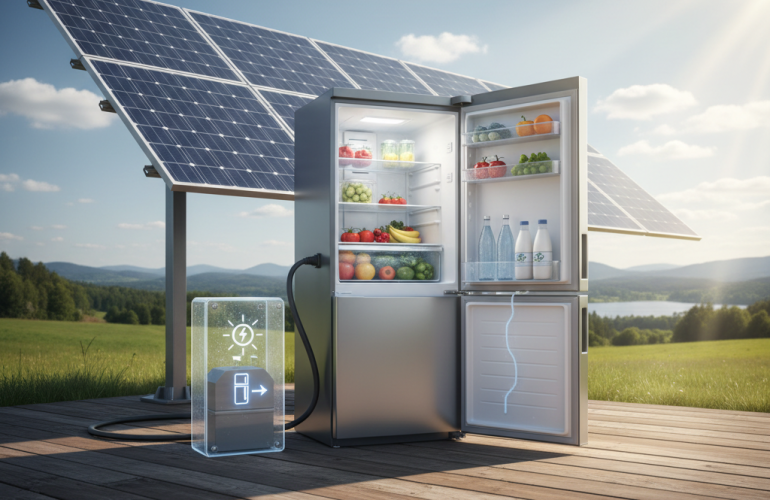
Can solar power run a fridge or air conditioning units?
Yes, absolutely. We’ve successfully powered numerous refrigerators and air conditioning units using solar energy. The key is accurately calculating the energy load of these appliances. Larger loads like AC units require bigger systems, often combined with battery storage or designed as hybrid systems to ensure consistent power. You can explore detailed information on can solar power run a fridge for more specifics.
What are the maintenance requirements for solar panels?
Maintenance is generally minimal. The most important task is periodic cleaning of the panels to remove dust, dirt, or bird droppings, which can reduce efficiency. We recommend cleaning them twice a year or more frequently in dusty environments. Our systems also include inverter checks and electrical connection inspections, typically covered under our maintenance contracts.
How long does it take to install a solar power system?
The installation timeline varies based on system size and complexity. A typical residential installation might take 1-3 days. Commercial or industrial projects can range from a few weeks to several months, depending on the scale, engineering requirements, and any necessary grid interconnection approvals. We provide a detailed project schedule during the proposal phase.
Are there government incentives for solar in Kenya?
While direct cash subsidies are less common, Kenya offers incentives like tax exemptions on imported solar equipment and VAT reductions. Additionally, banking institutions are increasingly offering green financing options. We stay updated on these policies and can advise clients on how to leverage them to reduce the upfront investment and improve the overall financial attractiveness of their solar project.
Powering Progress with Solar
Secure your business’s energy future with reliable, cost-effective solar solutions from Power Stack Africa. We are your trusted partners for sustainable energy independence.
Related Reading
Continue learning with these hand-picked resources: