Walkable Solar Panels: Powering Progress Underfoot
Transforming underutilized spaces into active energy generators with durable, high-performance solar flooring solutions.

Table of Contents
- 1. What Are Walkable Solar Panels and Why Do They Matter?
- 2. Why Businesses Choose Professional Walkable Solar Panels
- 3. Our Proven Process for Implementing Walkable Solar Solutions
- 4. Investment Tiers: Walkable Solar Panel Packages
- 5. Critical Mistakes to Sidestep with Walkable Solar Installations
- 6. Real-World Impact: Success Stories with Walkable Solar
- 7. Frequently Asked Questions About Walkable Solar Panels
In our extensive experience powering businesses across Africa, we’ve consistently found that untapped potential lies in the most unexpected places. For years, prime real estate like rooftops and open fields have been the primary focus for solar energy generation. However, a revolutionary approach is now turning everyday surfaces – pavements, plazas, and even driveways – into active contributors to the energy grid. These are walkable solar panels, a testament to innovative engineering and a significant leap forward in distributed renewable energy generation.
Enery Meets Intelligence: Poweing The Future
Delivering reliable off-grid energy and smart infrastructure solutions designed for businesses, cities, and large-scale projects across Africa.
Increased Usable Area for Solar
Years of Product Lifespan
More Durable Than Standard Panels
What Are Walkable Solar Panels and Why Do They Matter?
At its core, a walkable solar panel is a photovoltaic module engineered for durability and load-bearing capacity. Unlike conventional solar panels designed strictly for static mounting on rooftops or ground arrays, these units are built to withstand foot traffic, and in some cases, even light vehicular loads. This crucial distinction is achieved through reinforced encapsulation, specialized tempered glass (often thicker than standard), and robust framing systems that distribute weight evenly.
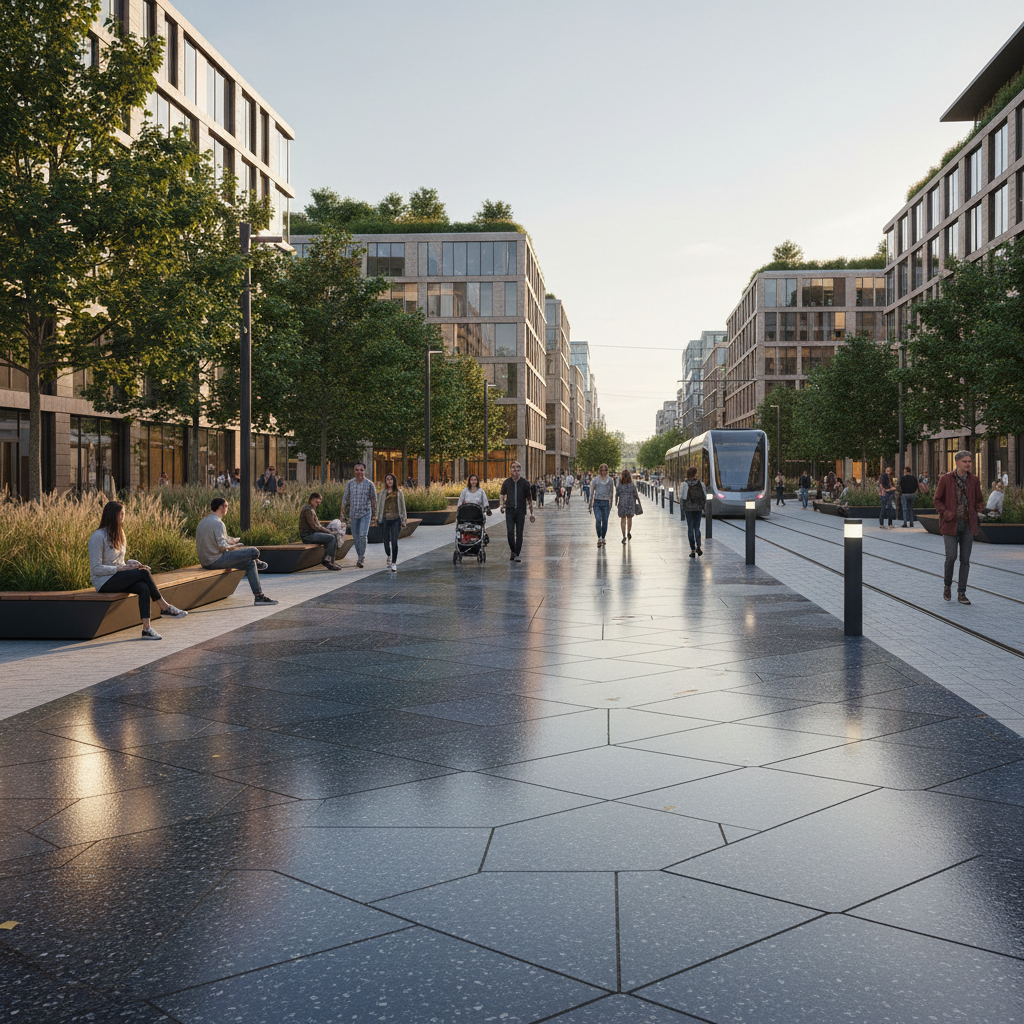
The implications for urban planning and infrastructure development are profound. Imagine public squares, pedestrian walkways, and building entrances that not only provide safe passage but also generate clean electricity. This technology effectively transforms passive spaces into active energy assets, contributing to a building’s or city’s overall energy autonomy and sustainability goals. We’ve seen firsthand how integrating these panels into architectural designs can significantly offset energy consumption and reduce reliance on the grid.
The term “solar flooring” is often used interchangeably, highlighting their seamless integration into ground-level applications. These aren’t just rugged panels; they are sophisticated building materials that combine aesthetic considerations with high-efficiency energy harvesting. The difference from traditional installations is stark: instead of the panel being the primary component visible and separate from the structure, it becomes an integral part of the surface itself.
Why Businesses Choose Professional Walkable Solar Panels
For commercial and industrial clients, the decision to implement walkable solar panels isn’t just about adopting new technology; it’s a strategic investment in operational efficiency, brand image, and long-term sustainability. We’ve guided numerous organizations through this decision-making process, observing a consistent set of drivers that make this solution compelling.
Firstly, it’s about maximizing the utility of available space. Many urban businesses operate with limited rooftop access or face restrictions on expansive ground installations. Walkable solar panels unlock the potential of high-traffic areas – pedestrian zones, parking lot surfaces (for specific vehicular models), and building entryways – turning what were once purely functional or aesthetic elements into revenue-generating or cost-saving assets. This dual-purpose infrastructure is particularly valuable in densely populated areas where every square meter counts.
Secondly, the reinforced durability and safety features are paramount. Standard solar panels are not designed to be walked upon, let alone withstand the impact of daily wear and tear. Walkable solar panels use specialized tempered glass that is often slip-resistant, significantly reducing the risk of accidents. Their robust construction also means they are more resilient to accidental impacts, making them suitable for environments where durability is a significant concern, far beyond typical rooftop applications. In our line of work, ensuring safety and reliability is non-negotiable, and these panels are engineered with that principle at their core.
Finally, the environmental and public relations benefits are substantial. Deploying visible solar infrastructure, especially in accessible public areas, sends a strong message about a company’s commitment to renewable energy and environmental stewardship. This can enhance brand reputation, attract environmentally conscious customers and employees, and contribute positively to corporate social responsibility (CSR) initiatives. For forward-thinking enterprises, this is not just an energy solution; it’s a visible statement of their values and commitment to a sustainable future.
Space Optimization
Leverages underutilized ground-level areas for energy generation, ideal for urban environments.
Extreme Durability
Built to withstand high foot traffic, weather extremes, and potential impacts with reinforced materials.
Enhanced Sustainability
Contributes to clean energy targets and reduces carbon footprint through integrated solar technology.
Architectural Integration
Offers aesthetic flexibility, blending seamlessly into building designs and public spaces.
Reduced Operational Costs
Generates electricity on-site, lowering energy bills and offering a predictable energy source.
Brand Reputation Boost
Demonstrates a commitment to innovation and sustainability, enhancing public perception.
Our Proven Process for Implementing Walkable Solar Solutions
Implementing walkable solar panels requires a meticulous approach, blending electrical engineering with civil construction expertise. At Power Stack Africa, our process is designed for maximum efficiency, safety, and long-term performance. We don’t just install panels; we integrate them as part of your infrastructure.
-
Phase 1: Site Assessment & Feasibility Analysis
We begin with a comprehensive evaluation of your proposed installation site. This includes assessing structural integrity, potential load requirements (foot traffic, occasional vehicle use), electrical connection points, and solar resource availability using tools like Google Project Sunroof data concepts (though adapted for ground-level). We identify any potential challenges unique to ground-level installations.
-
Phase 2: Design & Engineering Integration
Our engineering team develops a detailed plan, specifying the exact type of walkable solar panels required (e.g., residential, commercial load-bearing), their layout, sub-structure requirements, and the integration with your existing electrical systems. This phase uses CAD software and often involves collaboration with architects and civil engineers to ensure seamless integration and compliance with building codes.
-
Phase 3: Site Preparation & Sub-Structure Installation
This involves preparing the ground or existing surface. We ensure proper excavation, grading, and the installation of a stable sub-base or foundation designed to support the weight of the panels and expected loads. For our FRP walkways, we ensure compatibility with load-bearing requirements.
-
Phase 4: Panel Installation & Electrical Hookup
The walkable solar panels are carefully laid and secured. Specialized connectors and weather-proof seals are critical here to prevent water ingress, a common failure point in less robust systems. Our certified electricians then connect the panels to the inverter and charge controller, ensuring all wiring meets strict safety standards, similar to how we approach any complex residential or commercial solar setup.
-
Phase 5: Testing, Commissioning & Handover
Before final handover, we conduct rigorous testing to verify energy output, electrical safety, and structural integrity. Performance monitoring systems are configured, and we provide comprehensive training on system operation and basic maintenance requirements. Our goal is always to deliver a fully functional, reliable energy-generating surface.
Investment Tiers: Walkable Solar Panel Packages
The cost of walkable solar panels is influenced by several factors including the specific load-bearing requirements, panel efficiency, manufacturer, and the complexity of the installation. We offer tiered solutions designed to meet various project scales and budgets.
| Feature | Essential Footstep Basic Walkway |
Standard Traffic Plaza Solution |
High Load Driveway Ready |
|---|---|---|---|
| Price Estimate | KSh 50,000/m² | KSh 85,000/m² | KSh 120,000/m² |
| Surface Type | Light foot traffic, patios, balconies | Medium foot traffic, plazas, terraces | Light vehicular traffic, driveways, service areas |
| Load Bearing | Up to 150 kg/m² (static) | Up to 250 kg/m² (static) | Up to 1.5 tonnes (occasional light vehicles) |
| Glass Specification | Anti-slip tempered glass, 5mm | Anti-slip tempered glass, 6mm | Anti-slip tempered glass, 8mm+ |
| Waterproofing & Sealing | Standard IP67 rated | Enhanced IP68 rated | Advanced IP68+ with robust sealing |
| Integrated Inverter Options | Microinverter per panel | String/Microinverter options | High-performance inverter system |
| Energy Output (Est.) | 150-200 W/m² | 180-230 W/m² | 200-250 W/m² |
| Warranty | 10-year product, 25-year performance | 12-year product, 25-year performance | 15-year product, 25-year performance |
| Action | Get Quote | Inquire Now | Consultation |
Note: Prices are indicative and subject to site-specific assessments and current market conditions. Specific requirements for solar battery storage or grid connection will affect the final investment.
Critical Mistakes to Sidestep with Walkable Solar Installations
While walkable solar panels offer immense potential, their installation and management present unique challenges. Based on projects we’ve seen and consulted on, failing to address these points can lead to costly repairs, reduced efficiency, or safety hazards.
Mistake 1: Underestimating Load Requirements
Not all “walkable” panels are created equal. If a system is designed for merely foot traffic but then subjected to occasional vehicle pressure, structural failure is almost guaranteed. Similarly, not accounting for the dynamic loads of numerous people in a public space can lead to premature wear or damage.
Mistake 2: Inadequate Waterproofing and Drainage
Unlike rooftop panels, ground-level installations are directly exposed to ground moisture, runoff, and potential pooling. Insufficient sealing around the edges, cable entry points, or between panels can lead to water ingress, corrosion, and short circuits. Proper drainage channels around the installation area are as crucial as the panels themselves.
Mistake 3: Neglecting Maintenance Access and Planning
Once installed, walkable solar panels become part of the existing surface. Accessing them for repairs, cleaning, or eventual replacement can be complex if not planned for during the initial civil works. We always advocate for designs that incorporate discreet access points or modular panels that can be replaced individually without disturbing the entire surface.
Mistake 4: Choosing the Wrong Type for the Climate
Coastal areas, regions with extreme temperature fluctuations, or places with heavy dust accumulation require specific panel coatings, frame materials, and sealing techniques. Using a standard specification where extreme conditions exist is a recipe for disaster. For instance, salt spray can corrode certain metal components if not properly treated.
Real-World Impact: Success Stories with Walkable Solar
We’ve seen walkable solar panels transform various spaces. Consider a prominent business park in Nairobi’s industrial zone. They dedicated a significant pedestrian plaza area, previously just decorative, to our walkable solar tile system. This installation now powers the ambient lighting for the entire plaza and contributes to the park’s common area electricity needs, reducing their reliance on the grid by approximately 15% during daylight hours.
Another example involved a university campus aiming to enhance its sustainability credentials and educate students. They integrated our solar flooring into a high-traffic student union walkway. The visible energy generation serves as a daily educational tool, while the generated power helps offset the union’s lighting and electronic charging stations. This project not only reduced energy costs but also boosted the university’s green image, leading to increased applications from environmentally conscious students.
Project Snapshot: Urban Plaza Energy Hub
Client: Commercial Property Developer, Lagos, Nigeria
Challenge: Monetize or optimize a large, underutilized public plaza area within a mixed-use development.
Solution: Installation of high-load capacity walkable solar panels integrated into the plaza’s paving, powering public lighting, fountains, and charging stations.
200 m²
Installed Area
~35 kWp
Total System Capacity
18%
Estimated Energy Offset for Common Areas
Frequently Asked Questions About Walkable Solar Panels
How durable are walkable solar panels compared to regular ones?
Walkable solar panels are significantly more durable. They typically feature thicker, tempered, anti-slip glass (often 6mm or more), reinforced frames, and advanced sealing methods to prevent water ingress. While standard panels are rated for environmental loads like wind and snow, walkable panels are engineered to withstand direct foot traffic and, in heavy-duty versions, even light vehicular loads. This makes them vastly more resilient to physical stress, though their installation environment also requires more robust substructure considerations.
Can walkable solar panels be used for vehicle driveways?
Yes, specifically designed heavy-duty walkable solar panels are available for vehicular applications. These panels boast even thicker glass, specialized internal structures, and installation methods capable of handling the weight and dynamic forces of cars and light trucks. However, it’s crucial to ensure the correct product is selected for the intended load, as standard “walkable” units are not suitable for vehicular traffic. We assess these needs carefully during our consultations.
What maintenance do walkable solar panels require?
Maintenance for walkable solar panels is generally minimal but crucial. Regular cleaning to remove dirt, debris, or snow is important for optimal energy production. Checks on the sealing and connections are also recommended annually, especially in areas with heavy rainfall or dust. Unlike rooftop systems, access for maintenance might involve temporarily removing adjacent paving stones or panels, so planning for this is key within the initial installation design.
How do walkable solar panels handle weather conditions like rain and snow?
Walkable solar panels are designed to be highly weather-resistant. The specialized tempered glass is often treated with an anti-slip texture, which improves traction even when wet. Their robust construction and advanced sealing (often IP68 rated) prevent water from seeping into the electrical components. For snow, they function similarly to other solar panels; snow cover will reduce energy production temporarily until it melts or is cleared. Their ground-level installation can sometimes lead to faster snowmelt due to ground warmth.
Are walkable solar panels more expensive than traditional solar panels?
Generally, yes. The enhanced durability, specialized materials (like thicker tempered glass), robust framing, and advanced sealing required for walkable solar panels make them more expensive on a per-watt basis compared to standard rooftop or ground-mount panels. However, this higher initial cost needs to be weighed against the value they create by utilizing previously unproductive space and offering dual functionality as both a surface and an energy generator. Consider it an investment in integrated infrastructure.
What is the typical lifespan of a walkable solar panel?
Most high-quality walkable solar panels are designed for a long lifespan, typically coming with warranties similar to or exceeding those of traditional panels. Product warranties often range from 10 to 15 years, guaranteeing against manufacturing defects. Performance warranties, which guarantee a certain level of energy output over time, are usually 25 years, ensuring that the panels continue to generate significant power throughout their operational life.
Can I install walkable solar panels myself?
While DIY installation might seem feasible for small-scale projects, we strongly advise against it for walkable solar panels, especially for areas with vehicular traffic or complex electrical integration. Professional installation by companies like Power Stack Africa ensures correct sub-structure preparation, proper waterproofing, secure electrical connections, and compliance with safety standards. Incorrect installation can void warranties, compromise safety, and lead to premature system failure. For specialized solutions like household solar panels or complex integrated systems, professional expertise is invaluable.
Enery Meets Intelligence: Poweing The Future
Delivering reliable off-grid energy and smart infrastructure solutions designed for businesses, cities, and large-scale projects across Africa.
Related Reading
Continue learning with these hand-picked resources: