Expert Solar Installation in Kenya
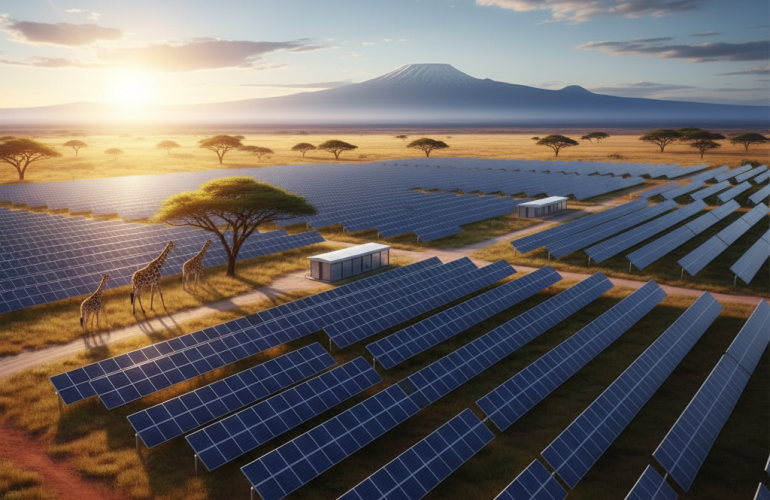
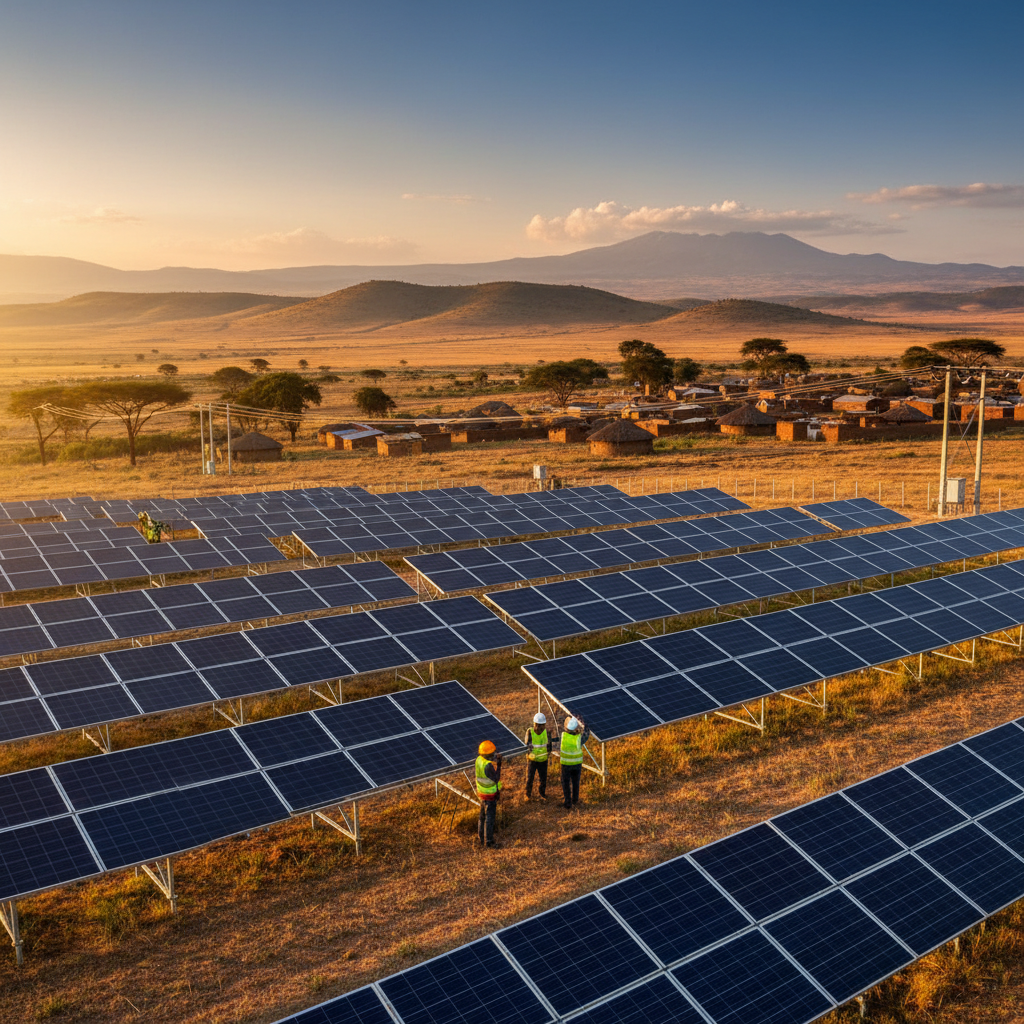
Harnessing Africa’s abundant sunlight for reliable, cost-effective, and sustainable energy solutions across Kenya. We empower homes, businesses, and communities.

Why Choose Professional Installation?
Our Installation Process
Pricing & Packages
Common Mistakes
Real Results
Frequently Asked Questions
For over a decade, Power Stack Africa has been at the forefront of delivering robust solar energy solutions across Kenya. We’ve observed firsthand how essential reliable power is for economic growth and quality of life, especially in regions where grid access is inconsistent. Our expertise in solar installation in Kenya isn’t just about fitting panels; it’s about designing intelligent, sustainable energy systems that empower individuals and businesses to take control of their power needs. We understand the unique challenges and immense potential of the Kenyan solar market, from the bustling energy demands of Nairobi to the critical water pumping needs in rural agricultural zones.
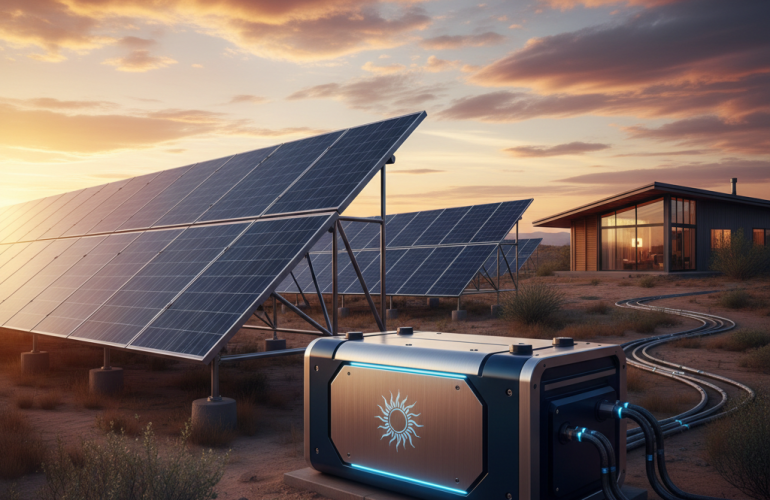
Enery Meets Intelligence: Poweing The Future
Delivering reliable off-grid energy and smart infrastructure solutions designed for businesses, cities, and large-scale projects across Africa.
The push towards renewable energy in Kenya is accelerating, driven by environmental consciousness, the desire for energy independence, and falling solar technology costs. However, navigating the complexities of solar installation requires expert knowledge to ensure optimal performance, longevity, and safety. Without a professional approach, you risk suboptimal energy generation, rapid system degradation, and even safety hazards. Our team brings years of hands-on experience and a deep understanding of local conditions, regulations, and best practices to every project, ensuring you receive a solar solution that truly works for you.
This guide will walk you through everything you need to know about solar installation in Kenya, from understanding the core benefits and technologies to the critical steps involved in a successful project. We’ll cover how to choose the right systems for your needs, navigate pricing, and avoid common pitfalls. Our goal is to equip you with the knowledge to make informed decisions and partner with a provider that delivers tangible, long-term value. Power Stack Africa is committed to lighting up Kenya, one rooftop and one community at a time.
Cost Savings on Energy Bills
Average System Lifespan
Successful Installations
Unlock Sustainable Energy Today
Kenya boasts incredible solar potential. Let Power Stack Africa design and install a system that maximizes your energy savings and independence. Explore our packages or request a consultation.
What is Solar Installation Kenya and Why It Matters
Solar installation in Kenya refers to the process of designing, procuring, and fitting solar photovoltaic (PV) systems onto residential, commercial, or industrial properties to generate electricity from sunlight. This includes everything from rooftop solar panels for homes to large-scale solar farms and specialized applications like solar panels for water pump systems in agricultural areas.
The significance of solar installation in Kenya cannot be overstated. With a global solar irradiance of approximately 4.5–6.5 kWh/m²/day, Kenya is exceptionally well-positioned to leverage solar power. This natural advantage translates into significant economic, environmental, and social benefits:
- Energy Independence: Reduces reliance on the national grid and expensive fossil fuels, offering predictable energy costs.
- Cost Savings: Substantially lowers monthly electricity bills over the lifespan of the system.
- Environmental Sustainability: Utilizes clean, renewable energy, reducing carbon footprint and contributing to Kenya’s climate goals.
- Grid Stability: Rooftop solar can alleviate strain on the national grid, especially during peak demand hours.
- Economic Opportunities: Drives job creation in manufacturing, installation, maintenance, and related sectors.
For businesses, solar installation is a strategic investment that can significantly improve operational efficiency and profitability. For homeowners, it means access to reliable power and lower utility expenses. We’ve seen businesses in the manufacturing sector reduce their electricity overheads by up to 70% after a comprehensive solar installation, directly impacting their bottom line.
Why Businesses & Homes Choose Professional Solar Installation
In our experience at Power Stack Africa, the decision to invest in professional solar installation is driven by several key factors that go beyond simply mounting panels on a roof. It’s about ensuring a system that is not only functional but also optimized for longevity, performance, and safety. Clients often tell us they want peace of mind, knowing their significant investment is handled by experts.
A professionally installed solar system is engineered to meet specific energy demands, account for local environmental factors (like dust, heat, and wind loads), and comply with Kenyan regulations. This meticulous approach guarantees higher energy yields and a longer system lifespan, often exceeding 25 years for the core components. We’ve seen installations where DIY efforts or inexperienced companies led to underperforming systems or even early component failures due to improper wiring or component mismatch, costing the client more in the long run.
Optimized Energy Production
Our designs maximize sunlight capture using sophisticated tools, ensuring you generate the most power possible from your investment, even on cloudy days.
System Longevity & Durability
We select high-quality, weather-resistant components and ensure proper structural mounting, protecting your system from harsh environmental conditions.
Safety & Compliance
Adherence to national electrical codes and safety standards is paramount. Our certified technicians ensure safe wiring and installation, preventing fire hazards and electrical risks.
Warranty & Support
Professional installations come with manufacturer warranties for components and workmanship guarantees, providing backup and reliable support should issues arise.
Access to Incentives
Navigating government incentives or financing options can be complex. We guide clients through the process, helping them leverage available benefits.
Peace of Mind
Knowing your system is designed, installed, and commissioned by experts eliminates the stress and potential financial losses associated with improper setups.
Our Proven Solar Installation Process
At Power Stack Africa, we’ve refined our solar installation process over hundreds of projects to be thorough, efficient, and transparent. We believe in clear communication at every stage, ensuring our clients are informed and confident. Our methodology ensures that each installation is perfectly tailored to the client’s unique energy needs and site conditions.
-
Initial Consultation & Site Assessment
We begin with a detailed discussion about your energy consumption patterns, goals, and budget. This is followed by an on-site assessment to evaluate roof space, structural integrity, shading, and electrical infrastructure. We use tools like Google Earth Pro for initial remote analysis and on-site laser measures for precision.
-
System Design & Proposal
Based on the assessment, our engineers design a custom solar PV system. This includes selecting the optimal panel type (e.g., monocrystalline, polycrystalline), inverter technology (inverter and solar panel pairing is crucial), battery storage if needed, and mounting hardware. You’ll receive a comprehensive proposal detailing system specifications, projected energy generation, total cost, and payback period.
-
Permitting & Approvals
We handle all necessary paperwork, including applications to local authorities and utility companies, where required. Navigating these regulatory steps is essential for compliance and can be time-consuming; we manage this to ensure a smooth process.
-
Installation & Commissioning
Our certified technicians perform the physical installation, adhering to the highest safety and quality standards. This phase typically involves mounting panels, installing the inverter and battery (if applicable), and connecting the system to your home or business’s electrical panel. We meticulously check all connections and perform system diagnostics before energizing.
-
System Handover & Monitoring Setup
Upon final inspection and commissioning, we provide a thorough handover, explaining system operation, maintenance requirements, and how to use any monitoring software. We often set up remote monitoring systems that allow clients (and us) to track performance in real-time, providing valuable data on energy production and savings.
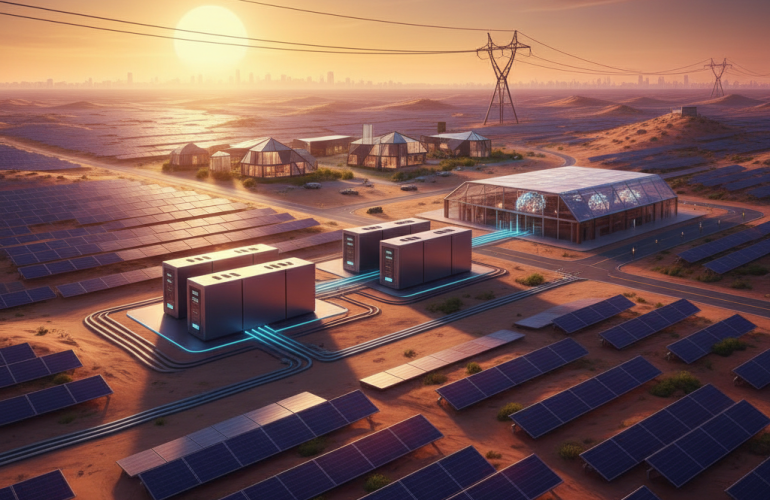
Enery Meets Intelligence: Poweing The Future
Delivering reliable off-grid energy and smart infrastructure solutions designed for businesses, cities, and large-scale projects across Africa.
Solar Installation Pricing & Packages in Kenya
Understanding the investment required for solar installation in Kenya is crucial. Pricing varies significantly based on system size (kWp), component quality, type of inverter, necessity of battery storage, and roof complexity. At Power Stack Africa, we offer transparent pricing and value-driven packages designed to suit various needs, from basic grid-tied systems to advanced off-grid solutions.
A typical solar panel cost for a 3-bedroom house in Kenya might range from KES 250,000 to KES 600,000, depending on the system’s capacity and features like battery backup. For commercial installations, costs scale with energy demand, often quoted per kWp. We strive to provide the most competitive prices for solar panels and integrated systems in Kenya, focusing on long-term value rather than just initial cost.
Note: Pricing is indicative and subject to change based on specific project requirements, component selection, and market fluctuations. We provide detailed, customized quotes after a thorough site assessment. Explore our solar companies in kenya comparison to understand what sets us apart.
Common Mistakes to Avoid During Solar Installation
Even with the best intentions, several common mistakes can undermine the effectiveness and longevity of a solar power system. We’ve encountered clients who experienced issues due to overlooking critical details. Avoiding these pitfalls is essential for a successful and Powe-efficient installation.
1. Underestimating Energy Needs & System Sizing
Installing a system that’s too small leads to insufficient power generation and continued reliance on the grid or generators. Conversely, a system that’s too large might be an unnecessary expense. Accurate assessment of current and future energy needs, using tools like energy bills and load analysis, is critical. Our engineers use tools like Selenium for automated data crunching on consumption patterns across multiple properties.
2. Choosing the Cheapest Components Over Quality
While cost is a factor, opting for the lowest-priced panels, inverters, or batteries can lead to premature failure, reduced efficiency, and higher long-term expenses due to frequent replacements and repairs. Investing in reputable brands with strong warranties, like those we prioritize at Power Stack Africa, is crucial for system durability. We have seen cheaper inverters fail within 2-3 years, while quality ones last 10-15 years.
3. Neglecting Shading Issues
Trees, adjacent buildings, or even chimney stacks can cast shadows on solar panels, significantly reducing their output. A professional installation includes a thorough shade analysis to position panels optimally, or recommend microinverters/optimizers if shading is unavoidable. A shade analysis tool, combined with on-site measurements, is standard practice for us.
4. Improper Mounting and Structural Integrity
Inadequate mounting can lead to panels becoming loose under wind pressure or, in severe cases, causing roof damage. Ensuring the mounting system is appropriate for the roof type and withstands local weather conditions is vital. We use specialized mounting solutions designed and tested for Kenyan environmental conditions.
5. Skipping Professional Installation & Commissioning
DIY installations or using unqualified personnel can result in unsafe wiring, voided warranties, and poor performance. Professional installers have the expertise, tools, and understanding of electrical codes to ensure a safe, efficient, and compliant system. We always perform rigorous commissioning tests, ensuring all components work harmoniously before handover.
Real Results: Solar Installation Success Stories
We take pride in the tangible impact our solar installations have on our clients’ lives and businesses. These aren’t just theoretical benefits; they are real-world improvements documented through our projects across Kenya.
Case Study 1: Commercial Rooftop Solar (Nairobi CBD)
A medium-sized manufacturing firm in Nairobi’s central business district was struggling with escalating electricity costs, impacting their production schedules due to frequent power interruptions. After a grid scale energy solutions provider in africa like Power Stack Africa installed a 50 kWp rooftop solar system, their operational costs reduced by an average of 65% per month. They also experienced a 90% decrease in production downtime caused by power outages, thanks to the integrated battery backup system.
Case Study 2: Agricultural Water Pumping (Rift Valley)
A large-scale farming cooperative in the Rift Valley faced significant challenges and costs associated with diesel generators for their irrigation pumps. We designed and installed a dedicated solar pumping system. This resulted in a 100% reduction in fuel costs for irrigation, increased crop yields due to reliable water supply, and eliminated the environmental impact of diesel fumes. They now use reliable solar panels for water pump operations.
Case Study 3: Residential Hybrid System (Karen, Nairobi)
A family in Karen sought to reduce their high monthly electricity bills and ensure continuous power supply for their home, including essential appliances and home office equipment. We installed a 7 kWp hybrid solar system with a 10 kWh battery bank. The family now achieves an average monthly saving of 75% on their electricity bills and no longer experiences disruptions from grid outages. They can monitor their energy usage and generation via a user-friendly mobile app.
Average Client Electricity Bill Reduction
Average System Payback Period
Client Satisfaction Rate
Frequently Asked Questions about Solar Installation in Kenya
How much does solar installation cost in Kenya?
The cost varies widely based on system size (kWp), component quality, and whether battery storage is included. For a typical 3-bedroom house, prices can range from KES 250,000 to KES 600,000. Commercial installations are quoted per kWp. We provide detailed, customized quotes after a site assessment. Prices for solar panels themselves are competitive, but the total system cost includes inverters, batteries, mounting, and labor. Be sure to explore our solar panel cost Kenya guide.
What are the benefits of a hybrid solar system?
A hybrid system combines grid-tied functionality with battery storage. This means you can power your home or business with solar during the day, store excess energy for use at night or during power outages, and still utilize grid power when necessary (or sell excess back if net metering is available). It offers the best of both worlds: significant cost savings, energy independence, and reliable backup power. This is why many clients opt for hybrid system solar solutions.
How long does a solar panel system last?
Solar panel systems are designed for longevity. The panels themselves typically produce power effectively for 25-30 years, with performance warranties often guaranteeing 80-90% of their original output after 25 years. The inverter, a critical component, typically lasts 10-15 years, while batteries have a lifespan ranging from 5-10 years depending on type and usage patterns. Proper installation and maintenance are key to maximizing lifespan.
Do I need batteries if I have grid power?
Not always, but batteries significantly enhance the benefits. If your primary goal is just to reduce grid electricity bills during daylight hours, a grid-tied system without batteries can be sufficient and more cost-effective initially. However, batteries provide backup power during grid outages and allow you to store and use solar energy generated at peak times (when the sun is strongest) for use later, increasing your self-consumption and savings. We recommend batteries for a truly resilient energy solution.
What maintenance is required for solar panels?
Solar panel systems require minimal maintenance. The most important task is occasional cleaning of the panels to remove dust, dirt, or bird droppings that can reduce efficiency. Depending on your location and the number of rainfall, this might be needed every 6-12 months. We also recommend periodic system checks by a qualified technician (e.g., every 2-3 years) to inspect wiring, inverter performance, and battery health. For peace of mind, consider our solar companies in kenya comparison to find excellent support options.
Can solar panels power a water pump?
Absolutely. Solar power is an ideal and increasingly popular solution for powering water pumps, especially in rural and agricultural areas across Kenya where grid access may be limited or unreliable. Dedicated solar pumping systems use PV panels to directly power a pump or charge batteries that run the pump. This provides a cost-effective, sustainable, and low-maintenance way to ensure water availability for irrigation, livestock, or domestic use. Solar panels for water pump applications are a core part of our offerings.
What warranty do Power Stack Africa installations come with?
Power Stack Africa stands behind its installations. We typically offer a 10-15 year workmanship warranty on our installations, in addition to the manufacturer warranties which vary by component. Solar panels usually come with a 25-year performance warranty, while inverters typically have 5-10 year warranties. Battery warranties generally range from 5-10 years. We ensure all warranty documentation is clear and readily available to our clients.
Related Reading
Continue learning with these hand-picked resources: