Solar Panels for Boats: Unleash Silent, Sustainable Power
Transform your maritime experience with cutting-edge solar technology. Power your vessel’s needs cleanly, efficiently, and silently, opening up a world of off-grid possibilities on the open water.

Table of Contents
What is Solar for Boats and Why It Matters
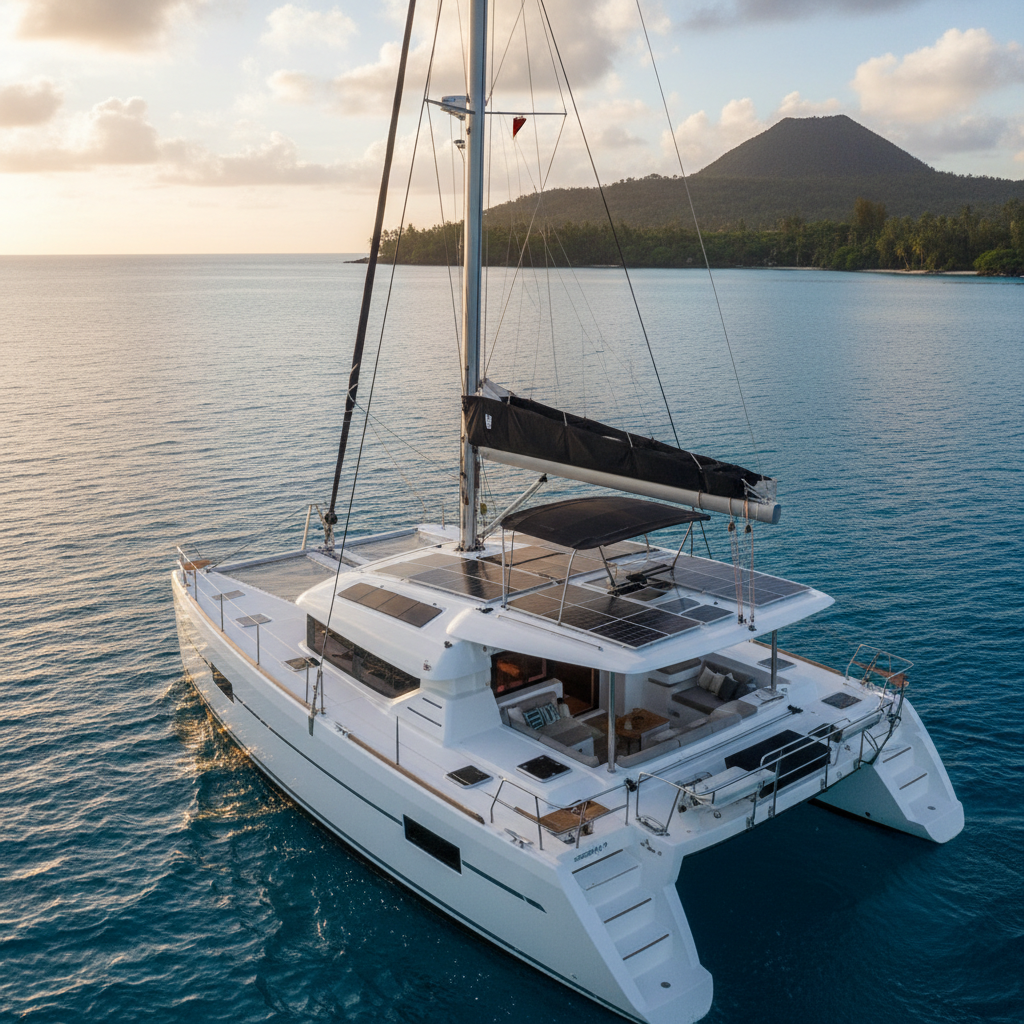
Solar panels for boats represent a significant evolution in maritime power. These are specialized photovoltaic systems designed to convert sunlight directly into electrical energy, specifically for use on recreational vessels, yachts, and commercial boats. Unlike land-based systems, marine solar panels must withstand harsh conditions: saltwater spray, high winds, constant vibration, and fluctuating temperatures. Their integration provides a sustainable and silent alternative to noisy, fuel-guzzling generators, or the limitations of shore power when docked.
Enery Meets Intelligence: Poweing The Future
Delivering reliable off-grid energy and smart infrastructure solutions designed for businesses, cities, and large-scale projects across Africa.
The importance of reliable, on-demand power at sea cannot be overstated. Whether it’s running essential navigation equipment, keeping refrigerators cold, powering entertainment systems, or simply charging devices, a consistent energy supply enhances safety, comfort, and operational freedom. Solar panels offer a green solution, reducing your carbon footprint and reliance on fossil fuels. This move towards sustainable energy on vessels aligns with global environmental consciousness and contributes to cleaner oceans.
From a practical standpoint, the ability to generate your own power off-grid is a game-changer. It allows for extended cruising without the need to constantly seek out marinas with shore power or burn expensive diesel in generators. For larger yachts, this means more luxurious amenities can be powered without compromise. For smaller craft, it can mean the difference between a short day trip and an extended adventure. Understanding the intricacies of marine solar systems is therefore crucial for any boat owner looking to enhance their vessel’s self-sufficiency and environmental profile.
Why Solar for Boats Matters
In our experience at Power Stack Africa, the demand for robust, marine-grade solar solutions has surged. This isn’t just a trend; it’s a fundamental shift driven by several factors:
- Environmental Responsibility: Boat owners are increasingly conscious of their ecological impact. Solar power offers a clean energy source, significantly reducing emissions compared to diesel generators.
- Cost Savings: While the initial investment exists, solar panels drastically cut down on fuel costs associated with generators and the potential charges for marina shore power. Over the lifespan of the system, this translates to substantial savings. We’ve seen clients recoup their investment within 5-7 years through reduced operational expenses.
- Autonomy & Freedom: The ability to generate power independently is liberating. It allows for anchoring in remote coves for longer periods, exploring further afield without range anxiety, and enjoying onboard amenities without constant power management concerns.
- Reduced Noise & Vibration: Solar systems operate silently, greatly enhancing the peace and tranquility of the onboard experience. This is a stark contrast to the constant hum and vibration of generators.
- Low Maintenance: Once installed, solar panels require minimal maintenance, typically just cleaning to ensure optimal performance. This significantly reduces the maintenance burden compared to mechanical generators.
The integration of solar power systems is becoming standard on many new builds, and retrofitting is a popular upgrade for existing vessels. It’s no longer a niche luxury but a practical, efficient, and responsible choice for modern boaters.
| Feature | Traditional Generator/Shore Power | Marine Solar Power System |
|---|---|---|
| Power Source | Fossil fuels (diesel, gasoline) or grid electricity | Sunlight |
| Environmental Impact | High (emissions, noise pollution) | Minimal (zero emissions, silent) |
| Running Costs | High (fuel, maintenance, marina fees) | Very Low (minimal maintenance, no fuel) |
| Initial Investment | Moderate to High (generator/charger) | Moderate to High (panels, charge controller, batteries, inverter) |
| Operation | Requires fuel, noise, vibration | Silent, requires sunlight, minimal user input |
| Maintenance | Regular (engine servicing, oil changes, fuel filters) | Low (periodic cleaning of panels) |
| Autonomy | Limited by fuel supply or shore connection availability | Potentially unlimited with sufficient sunlight and battery storage |
Why Businesses Choose Professional Solar Panels for Boats
Choosing to integrate solar panels onto a boat isn’t just about having power; it’s about choosing a smarter, more sustainable, and more enjoyable way to experience maritime life. After working with numerous clients, we’ve identified key advantages that resonate deeply with boat owners and operators across Africa.
The primary allure is the unparalleled autonomy. Imagine cruising through pristine waters, anchoring in secluded bays, and having ample power for all your needs – from running the galley’s appliances to keeping the navigation systems fully charged and even powering entertainment devices. This independence from marinas and fuel docks significantly extends cruising range and opens up possibilities for genuine off-grid living aboard. Our clients report a dramatic increase in their comfort and flexibility once a reliable solar system is in place.
Silent & Clean Energy
Operate all onboard systems without the noise and fumes of traditional generators, enhancing the tranquility of your voyage and reducing your environmental footprint.
Reduced Operating Costs
Drastically cut down on expensive diesel fuel purchases and generator maintenance. Long-term, solar is proven to be more economical, offering significant ROI.
Enhanced Vessel Value
A well-integrated solar system is a significant upgrade, increasing your boat’s appeal and market value. It’s a forward-thinking investment.
Reliable Power Supply
Ensure critical systems like navigation, communication, and refrigeration are always operational, even far from shore power. Advanced battery management provides consistent energy flow.
Why Businesses Choose Professional Solar Panels for Boats
While the concept of solar power is straightforward, implementing it effectively on a boat requires specialized knowledge and experience. At Power Stack Africa, we strongly advise against DIY installations for marine solar systems. Why? Because the marine environment presents unique challenges that standard land-based installations simply don’t account for. We’ve seen too many improperly installed systems fail prematurely or, worse, create safety hazards. A professional installation ensures your system is robust, efficient, and safe.
Our certified technicians possess deep expertise in marine electrical systems and solar technology. They understand the critical importance of proper wiring, secure mounting that withstands extreme forces, efficient charge controller selection to protect your batteries, and optimal panel placement for maximum sunlight exposure, even with boat movement and varying sun angles. We don’t just install panels; we engineer a complete, integrated power solution tailored to your vessel’s specific electrical demands and usage patterns. This meticulous approach, leveraging tools like solar system design software and advanced diagnostic equipment, ensures peak performance and longevity.
Furthermore, professional installation guarantees compliance with relevant marine safety standards and can be crucial for insurance purposes. A professionally installed system is an investment in reliability and peace of mind, allowing you to focus on enjoying your time on the water, not worrying about your power supply. We have refined our approach over hundreds of installations, identifying nuances like ventilation requirements for batteries and inverters, and managing complex cable runs to prevent chafing.
Our Solar Integration Process
At Power Stack Africa, we’ve streamlined our solar integration process to ensure a seamless and efficient experience for every client. Our methodology is built on precision, expertise, and a deep understanding of maritime power needs.
-
Consultation & Site Assessment:
We begin with an in-depth discussion to understand your power requirements, usage habits, and vessel specifications. This is followed by a thorough on-site assessment to evaluate solar potential, available mounting space, and existing electrical infrastructure. We use tools like sunlight mapping and energy audits to precisely define the scope. -
System Design & Component Selection:
Based on the assessment, our engineers design a custom solar power system. This includes selecting the optimal type and wattage of marine solar panels, the appropriate charge controller (MPPT is often preferred for efficiency), a suitably sized inverter (if AC power is needed), and the right best lithium battery for solar or deep-cycle lead-acid batteries for storage. We consider factors like weight distribution and heat dissipation specific to marine environments. -
Professional Installation:
Our certified technicians meticulously install all components. This involves securely mounting solar panels, running marine-grade wiring, integrating the system with your existing DC and AC electrical panels, and ensuring all connections are waterproof and vibration-resistant. We adhere strictly to ABYC standards and best practices. -
System Testing & Commissioning:
Once installation is complete, we perform rigorous testing. This includes verifying voltage and current outputs, confirming battery charging efficacy, testing inverter function, and ensuring the entire system operates within specified parameters under various load conditions. We utilize multimeters, load testers, and thermal imaging cameras for comprehensive checks. -
Client Training & Handover:
We provide you with a comprehensive overview of your new solar system, including how to monitor its performance, basic maintenance procedures, and troubleshooting tips. We ensure you feel confident operating and managing your enhanced onboard power capabilities. Our goal is your complete satisfaction and self-sufficiency.
Enery Meets Intelligence: Poweing The Future
Delivering reliable off-grid energy and smart infrastructure solutions designed for businesses, cities, and large-scale projects across Africa.
Pricing & Packages
We offer flexible solar solutions tailored to fit various boat sizes and power needs. Our packages are designed for clarity and value, ensuring you invest in the right system for yourrequirements. All our marine systems utilize high-quality, durable components built to withstand the harsh marine environment.
| Feature | Explorer Package | Voyager Package | Expedition Package |
|---|---|---|---|
| Plan Name | Explorer Package | Voyager Package | Expedition Package |
| Ideal For | Day Cruisers, Small Sailboats | Mid-size Yachts, Weekenders | Large Motor Yachts, Catamarans |
| Solar Array Size | Up to 200W | 200W – 600W | 600W – 1.5kW+ |
| Battery Storage (Optional Add-on) | Up to 200Ah | 200Ah – 600Ah | 600Ah – 1.2kWh+ |
| Charge Controller | PWM/MPPT | High-Efficiency MPPT | Advanced MPPT with Bluetooth Monitoring |
| Inverter (Optional Add-on) | Compact Pure Sine Wave (e.g., 300W) | Mid-range Pure Sine Wave (e.g., 1kW) | High-Capacity Pure Sine Wave (e.g., 3kW+) |
| Mounting Hardware | Standard Rail/Surface Mount | Heavy-Duty Deck/Arch Mount | Custom Arch/T-Top Fabrication & Mounting |
| Monitoring | Basic LED Indicators | LCD Display | App-based Monitoring (State of Charge, Voltage, Current) |
| Installation Included | Yes | Yes | Yes |
| Warranty | 2 Years on Components | 3 Years on Components | 5 Years on Components |
| Starting From | $1,200 / installation | $2,500 / installation | $4,500 / installation |
| Get a Quote | Get a Quote | Get a Quote |
Note: Prices are indicative and may vary based on specific vessel requirements, component choices, and complexity of installation. Battery and inverter costs are additional unless specified. Our solar power consultant can provide a precise quote.
Common Mistakes to Avoid
When investing in solar for your boat, certain pitfalls can lead to underperformance or costly issues. Heeding these common mistakes can save you considerable time, money, and frustration.
1. Underestimating Power Needs
A common error is failing to accurately calculate total daily energy consumption. Running appliances, navigation equipment, bilge pumps, and entertainment systems all add up. Underestimating this leads to undersized solar arrays and insufficient battery banks, resulting in power shortages. We recommend a detailed energy audit to map out all power draws.
2. Using Non-Marine Grade Components
Standard solar panels and components are not built to withstand saltwater corrosion, constant vibration, and UV exposure common at sea. Using them leads to premature failure. Always specify marine-grade panels, waterproof connectors, and corrosion-resistant mounting hardware. This is non-negotiable for system longevity.
3. Improper Panel Placement and Angling
Simply slapping panels onto the first available flat surface is rarely optimal. Shade from sails, booms, radar arches, or even changing sun angles throughout the day can significantly reduce output. Professional installers consider all these factors, maximizing sun exposure and minimizing shading effects.
4. Overlooking Battery System Management
The battery bank is the heart of your off-grid system. Failing to select the right type of battery (best solar battery options like Lithium Iron Phosphate are ideal for marine use due to weight and cycle life) and a properly sized charge controller can lead to undercharging, overcharging, and shortened battery lifespan. Ensure your charge controller is compatible with your chosen battery chemistry.
5. Skimping on Professional Installation
As mentioned, marine solar installation is complex. DIY attempts often result in poor wiring, inadequate securing, and potential damage to the boat’s structure or electrical systems. Professional installation ensures safety, efficiency, and adherence to best practices, worth every penny for peace of mind.
Real Results
Our commitment at Power Stack Africa is to deliver tangible results that transform the boating experience. We don’t just promise power; we guarantee enhanced autonomy, reduced costs, and increased enjoyment.
Client: A 45-foot sailing yacht owner based in Mombasa.
Challenge: Constantly ran out of battery power during extended anchorages, forcing frequent generator use or early returns to marina. Limited charging capabilities for modern electronics.
Solution: We installed a 600W rigid marine solar array on the aft arch, a high-efficiency MPPT charge controller, and upgraded the battery bank to a 400Ah lithium setup. The system also included a smart monitor app.
Outcome: The client reported a 90% reduction in generator runtime, allowing for weeks of silent anchoring. They could now power all onboard systems, including a full-size freezer and multiple charging stations, without worry. The app provided excellent insight into energy production and consumption.
Client: Owner of a charter fishing boat operating off the coast of Zanzibar.
Challenge: High fuel costs for a constantly running generator required to power navigation, fish finders, communication, and basic amenities for clients. Generator noise detracted from the guest experience.
Solution: A custom 1kW flexible solar array was integrated onto the hardtop, paired with a robust MPPT controller and a 300Ah AGM battery bank and a 2kW inverter. We also advised on energy-efficient appliance upgrades.
Outcome: Significant fuel savings were realized, reducing operational expenses by an estimated 25%. The onboard noise level decreased dramatically, enhancing customer satisfaction. Critical electronics remained powered even during engine downtime, improving safety.
Generator Runtime Reduction
Operational Cost Savings
Average System Lifespan
Frequently Asked Questions
Are solar panels suitable for all types of boats?
Yes, solar panels can be adapted for virtually any type of boat, from small dinghies and sailboats to large motor yachts and catamarans. The key is a proper assessment of available space, power needs, and the type of panels (rigid, flexible, semi-flexible) and mounting hardware suitable for the vessel’s design and intended use. We specialize in custom solutions for diverse marine applications.
What is the difference between rigid and flexible marine solar panels?
Rigid panels are typically more robust, offer higher efficiency (often with tempered glass), and are suitable for fixed mounting on decks, T-tops, or arches. Flexible panels are lightweight, conform to curved surfaces, and are ideal for applications where weight or aesthetics are critical, though they may have a slightly shorter lifespan and lower efficiency than premium rigid panels. Both types are available in marine-grade versions.
How much power can I realistically expect from boat solar panels?
Realistically, a common setup on a mid-size yacht might produce 200-600 watts of power on a sunny day. This can significantly contribute to charging house batteries, running refrigeration, basic lighting, and charging electronics. Factors like panel wattage, efficiency, angle to the sun, and weather conditions heavily influence actual output. We use specialized software to model expected generation based on your specific location and system design.
Do I need a battery bank with solar panels on my boat?
Absolutely. Solar panels generate power only when the sun is shining. A battery bank is essential for storing this energy so you have power available at night, during cloudy weather, or when demand exceeds immediate solar production. The size of the battery bank is determined by your daily energy consumption and desired autonomy.
How much does a marine solar system cost?
The cost of a marine solar system varies widely depending on the size of the solar array, the quality and type of components (panels, charge controller, batteries, inverter), and the complexity of the installation. Basic systems for smaller boats might start around $1,200, while comprehensive systems for larger yachts can range from $4,500 upwards. We provide detailed quotes after a thorough consultation.
Can solar panels power my boat’s main engine?
No, solar panels are typically designed to power the boat’s auxiliary or ‘house’ electrical systems (lights, navigation, refrigeration, electronics, amenities), not the main propulsion engine. While electric propulsion is an emerging area, current solar technology is not yet powerful enough for primary propulsion on most vessels beyond very small craft.
What maintenance do marine solar panels require?
Marine solar panels are designed for low maintenance. The most crucial task is regular cleaning to remove salt spray, dirt, bird droppings, and other debris that can reduce efficiency. Periodically, inspect wiring and connections for any signs of corrosion or damage, especially if subjected to harsh conditions. Our systems are designed for maximum durability.
Enery Meets Intelligence: Poweing The Future
Delivering reliable off-grid energy and smart infrastructure solutions designed for businesses, cities, and large-scale projects across Africa.
Related Reading
Continue learning with these hand-picked resources: