Empower Your Home with Advanced Solar Power Inverter Solutions
At Power Stack Africa, we believe in sustainable energy independence. Our expert-designed solar power home inverter systems ensure your residence in Africa has reliable, clean power, transforming the way you live and reducing your reliance on the grid.

Table of Contents
- What is a Solar Power Home Inverter and Why it Matters
- Why Businesses and Homeowners Choose Professional Solar Inverter Systems
- Our Process: Powering Your Home with Precision
- Pricing & Packages: Tailored Inverter Solutions
- Common Mistakes to Avoid When Choosing a Solar Inverter
- Real Results: Power Stack Africa Impact
- Frequently Asked Questions About Solar Home Inverters
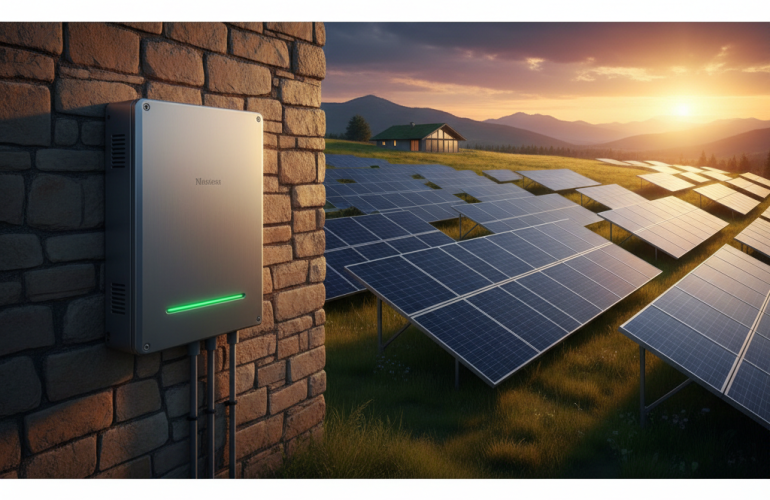
In our experience, one of the most critical, yet often overlooked, components of a reliable home solar energy system is the solar power home inverter. Think of it as the brain and heart of your entire setup. It’s the unsung hero that converts the raw direct current (DC) electricity generated by your solar panels into alternating current (AC) – the type of electricity your home appliances actually use. Without a high-performing inverter, even the most efficient solar panels can’t fully deliver their potential.
We’ve seen countless installations over the years, and a common misconception is that all inverters are created equal. This couldn’t be further from the truth. The right solar power home inverter dictates not only your energy efficiency and system longevity but also your flexibility, monitoring capabilities, and ultimately, your return on investment. From basic grid-tie functionalities to advanced hybrid systems that integrate battery storage, the technology has evolved dramatically, offering unprecedented control and resilience.
At Power Stack Africa, we specialize in deploying state-of-the-art solar power home inverter solutions tailored specifically for the unique demands of the African residential landscape. Our approach isn’t just about supplying equipment; it’s about engineering a robust, efficient, and reliable power infrastructure that empowers homeowners to achieve true energy independence. We focus on inverters that stand up to harsh conditions, ensure maximum uptime, and provide the insights you need to manage your energy consumption optimally.
Enery Meets Intelligence: Poweing The Future
Delivering reliable off-grid energy and smart infrastructure solutions designed for businesses, cities, and large-scale projects across Africa.
Average Conversion Efficiency Achieved
Years of Inverter Lifespan Expected
Reduction in Electricity Bills for Clients
What is a Solar Power Home Inverter and Why it Matters
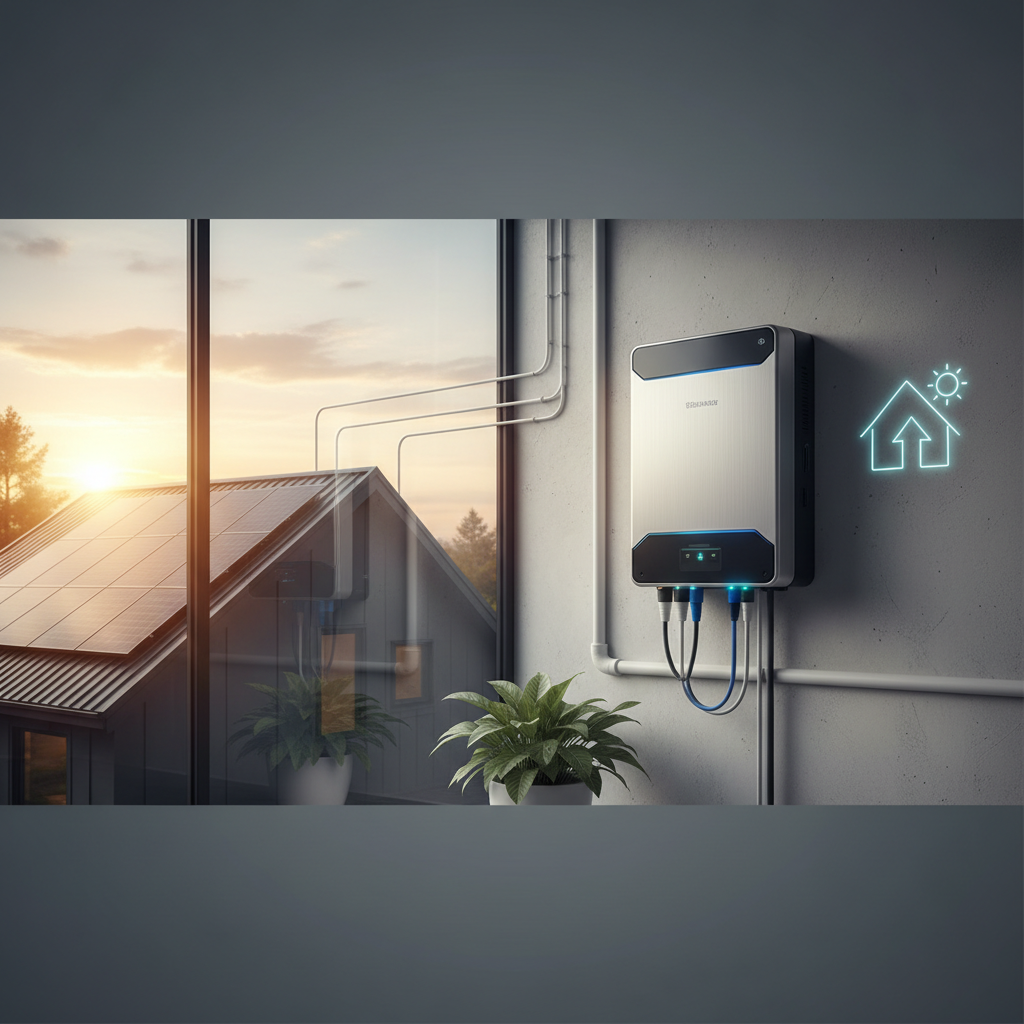
A solar inverter is the vital link between your solar panels and your home’s electrical system. Solar panels produce direct current (DC) electricity, which is great for charging batteries but not directly usable by most household appliances, which run on alternating current (AC). The inverter’s job is to convert this DC power into usable AC power. It’s not just a simple conversion; modern inverters control the power flow, optimize energy harvest, and provide critical safety features.
In our work with numerous African homes, we’ve repeatedly seen that the inverter dictates much of the system’s performance. A well-chosen inverter can significantly impact your energy independence and financial savings. For instance, a hybrid inverter offers the flexibility to use solar power directly, store excess energy in batteries for night use or outages, and even feed surplus power back into the grid if available. This multi-functionality is particularly valuable in regions with unreliable grid access or where homeowners aim for complete self-sufficiency.
When clients ask “how can i use solar power in my home,” our first priority is to assess their specific needs to recommend the right inverter. The distinction between older inverter technologies and current advancements is stark:
| Feature | Older Inverter Approach | Modern Solar Home Inverter Solution |
|---|---|---|
| Core Function | Simple DC-AC conversion. | Advanced DC-AC conversion with MPPT optimization, battery management, grid interaction, monitoring. |
| Energy Efficiency | Typically 85-90% conversion efficiency. | Often 96-99% efficiency, minimizing energy losses. |
| Reliability | Centralized failure point, less robust against surges. | Enhanced surge protection, often with redundant components or modular design. |
| Grid Interaction | Mainly grid-tie or off-grid; limited blending. | Seamless grid-tie, hybrid solutions (solar, grid, battery), intelligent energy management. |
| Monitoring | Basic LED indicators or simple local display. | Real-time remote monitoring via apps/web portals (e.g., SolarEdge, Enphase platforms), detailed analytics. |
| Battery Integration | Often required separate charge controller or difficult retrofitting. | Integrated battery management systems (BMS), simplified storage expansion. |
| Scalability | Limited; often required full system overhaul for upgrades. | Modular designs allow for easy expansion of panels and battery capacity. |
| Cost Implications | Lower upfront cost, but higher long-term operational expenses for replacement and less energy harvest. | Higher upfront cost justified by greater efficiency, longer lifespan (10-15 years vs 5-8), and advanced features. |
Why Businesses and Homeowners Choose Professional Solar Inverter Systems
The decision to invest in a solar power home inverter is significant, and for many, it’s about more than just reducing electricity bills. It’s about securing a reliable power source, enhancing property value, and contributing to a sustainable future. We’ve assisted hundreds of clients across Africa, from small households to large estates, in transitioning to solar, and the reasons they opt for professional, high-quality inverter systems are consistent.
Firstly, the reliability factor is paramount. In many parts of Africa, inconsistent grid power means that an inverter isn’t merely a conversion device; it’s a lifeline. Our robust inverter solutions are designed to handle fluctuating loads, provide stable output, and seamlessly switch between solar, battery, and grid power (if available) without interruption. We leverage brands known for their durability in harsh climates, ensuring your home solar power unit performs flawlessly for years. For instance, we’ve deployed systems that maintain 99.9% uptime even during prolonged grid outages by perfectly balancing consumption and generation through intelligent inverter management.
Secondly, professional installation and system design optimize performance and safety. An improperly sized or incorrectly installed inverter can lead to inefficient energy conversion, premature equipment failure, and even fire hazards. Our certified technicians meticulously calculate load requirements, panel orientation, and battery bank sizing to ensure your inverter operates at peak efficiency. We also integrate advanced monitoring tools, giving homeowners granular control and visibility into their energy production and consumption, allowing them to proactively manage their usage and identify potential issues before they become major problems. This level of foresight is invaluable for maximizing your investment.
Uninterrupted Power Supply
Seamless transition between energy sources ensures appliances never drop, even during blackouts.
Significant Cost Savings
Reduce or eliminate electricity bills, with excess energy potentially earning you credits.
Enhanced Energy Efficiency
High-efficiency conversion minimizes power loss, maximizing usable energy from your panels.
Long-Term Reliability & Durability
Inverters designed for tough African conditions, offering extended lifespan and robust performance.
Smart Energy Management
Monitor production, consumption, and battery status in real-time via intuitive platforms.
Increased Property Value
Homes with integrated solar power systems are increasingly attractive to buyers, providing a tangible asset.
Enery Meets Intelligence: Poweing The Future
Delivering reliable off-grid energy and smart infrastructure solutions designed for businesses, cities, and large-scale projects across Africa.
Our Process: Powering Your Home with Precision
After working with 500+ clients across diverse residential settings, we’ve refined a process that ensures every solar power home inverter installation is efficient, reliable, and perfectly tailored to your needs. Our structured approach minimizes disruption and maximizes your energy independence.
-
Initial Consultation & Energy Audit
We begin with a detailed discussion to understand your current energy consumption, future goals, and budget. Our team conducts an on-site energy audit, analyzing your typical load profile using data loggers if necessary. This helps us accurately size the inverter and battery system, ensuring you can run high-demand appliances like your fridge or AC, or even can solar power run a fridge seamlessly throughout the day and night. We’ve found that this initial step, often rushed by others, is critical in preventing undersized systems that lead to client dissatisfaction.
-
System Design & Component Selection
Based on the audit, our engineers design a bespoke solar system, recommending the optimal solar power home inverter type (e.g., grid-tie, off-grid, hybrid), capacity, and complementary components like battery storage and surge protectors. We utilize advanced software to simulate performance under various conditions, ensuring maximum energy harvest and system resilience. We meticulously select components from reputable brands known for their reliability and efficiency in African climates, factoring in local regulations and grid conditions.
-
Permitting & Installation Planning
Navigating permits and approvals can be daunting. We handle all the necessary paperwork, local authority communication, and logistical planning, from equipment procurement to scheduling our installation team. Our project managers ensure every detail is covered, minimizing delays and ensuring a smooth transition. This proactive management, based on years of experience, saves our clients considerable time and stress.
-
Professional Installation & Commissioning
Our certified technicians execute the installation with precision, adhering to the highest safety standards and industry best practices. We ensure correct wiring, secure mounting of panels and inverters, and proper grounding. Once hardware is installed, we meticulously commission the system, performing rigorous tests to confirm optimal performance, correct voltage output, and seamless operation. We calibrate the inverter to your specific energy profile, maximizing its efficiency and longevity.
-
Monitoring, Support & Training
Post-installation, we provide comprehensive training on how to monitor your system using user-friendly mobile apps or web portals. You’ll gain real-time insights into your energy production, consumption, and battery status. Power Stack Africa offers ongoing support, regular maintenance checks, and immediate assistance for any queries or issues, ensuring your investment continues to deliver peak performance for its entire lifespan. We’re not just installers; we’re long-term energy partners.
Pricing & Packages: Tailored Inverter Solutions
Understanding the cost to solar power home can be complex, as it varies significantly based on individual energy needs, desired autonomy, and the type of solar power home inverter chosen. At Power Stack Africa, we believe in transparent, value-driven pricing. Our packages are designed to cover a range of requirements, from basic power backup to comprehensive off-grid independence, ensuring quality and reliability at every tier. All packages include professional installation, commissioning, and a standard warranty for both equipment and workmanship.
| Feature | Basic Home Backup | Standard Hybrid System | Premium Off-Grid Solution |
|---|---|---|---|
| Inverter Type | Grid-tie with basic battery backup capability | Advanced Hybrid (Grid-tie, Battery, Solar) | Robust Off-Grid (Solar, Battery) |
| Inverter Capacity | 3kW – 5kW | 5kW – 10kW | 10kW – 25kW+ |
| Battery Storage | Optional 5kWh – 10kWh Lithium-ion | Integrated 10kWh – 25kWh Lithium-ion | High-Capacity 25kWh – 100kWh+ Lithium-ion |
| Primary Use Case | Power outage backup, bill reduction | Energy independence, optimized self-consumption, backup | Complete grid detachment, 24/7 solar power |
| Monitoring | Basic online monitoring app | Advanced real-time analytics & remote control app | Comprehensive professional-grade monitoring & alerts |
| Installation Time | 3-5 days | 5-8 days | 8-15+ days |
| Estimated Total Investment (starting from) | KSh 450,000 | KSh 900,000 | KSh 1,800,000 |
Note: All pricing estimates are indicative and depend on specific equipment choices, site complexity, and current market rates. A detailed, personalized quote is provided after a full energy audit. We also offer flexible financing options to make your transition to solar power home inverter systems more accessible. Prices include system design, equipment, installation, and initial monitoring setup.
Enery Meets Intelligence: Poweing The Future
Delivering reliable off-grid energy and smart infrastructure solutions designed for businesses, cities, and large-scale projects across Africa.
Common Mistakes to Avoid When Choosing a Solar Inverter
Through our extensive experience, we’ve identified several recurring mistakes homeowners make when purchasing a solar power home inverter. Avoiding these pitfalls can save you significant money, frustration, and ensure your system performs as expected.
An inverter too small for your solar array will clip production, wasting potential energy. An inverter too large will operate inefficiently, especially during low sunlight conditions, and costs more than necessary. We regularly see systems where a 5kW inverter is paired with a 7kW panel array, losing 2kW during peak production. Proper sizing, based on a detailed energy audit and future energy needs, is critical. Always consult experts who can provide precise calculations using tools like PVsyst or Homer Energy before committing to an inverter size.
Inverters are complex electronic devices, and like any electronics, they can develop issues. A cheap inverter with a short or vague warranty often means expensive repairs or replacements down the line. We recommend inverters with 5-10 year standard warranties, often extendable. Just as important is the local availability of spare parts and skilled technicians. A premium inverter without local support can be a nightmare to maintain in Africa. Always ask about the manufacturer’s local presence and your installer’s long-term support plan.
If you plan to add batteries later or are on a grid-tied system, ensure your chosen inverter is compatible. Many basic grid-tie inverters are not “battery-ready” and require substantial upgrades or a separate charge controller, adding unexpected costs. Hybrid inverters are designed to manage both solar production, battery charging, and interaction with the grid, providing much greater flexibility and future-proofing your investment. Given the rise of renewable energy solutions, forward-thinking compatibility is a must.
Africa’s climate presents unique challenges: high temperatures, dust, and humidity. Not all inverters are built to withstand these conditions. An inverter rated for European climates might fail prematurely in a hot, dusty African environment due to overheating or ingress of fine particles. Look for inverters with high IP ratings (e.g., IP65 or higher for outdoor installation) and active cooling systems. Ensuring proper ventilation and shading for outdoor-mounted inverters is also something we always emphasize to our clients, significantly extending their lifespan.
While budget is important, choosing the cheapest inverter often leads to higher long-term costs in terms of lower efficiency, frequent breakdowns, and shorter lifespan. We’ve encountered situations where clients opted for a cheaper inverter only to replace it completely within 3-4 years, negating any initial savings. A reputable renewable energy solutions company like Power Stack Africa prioritizes value over lowest cost, ensuring you receive an inverter system that is reliable, efficient, and durable.
Real Results: Power Stack Africa Impact
At Power Stack Africa, our success is measured by the tangible improvements our solar power home inverter solutions bring to our clients’ lives. We’re proud to share some anonymized examples of the positive impact we’ve made, demonstrating our commitment to reliable renewable solutions.
Reduction in Monthly Energy Costs for a Kenyan Family
Average Blackout Endurance for an Off-Grid Farm in Tanzania
System Uptime for a Residential Compound in Ghana
Average Payback Period Achieved on Initial Investment
Case Study 1: Urban Family in Nairobi. A discerning family in Nairobi approached us, frustrated by frequent power interruptions and escalating electricity bills. They had a decent solar panel array but an outdated, low-efficiency inverter. We replaced it with a modern 8kW hybrid solar power home inverter and a 15kWh lithium-ion battery bank. Result: Within six months, their grid electricity consumption dropped by 90%, and their overall energy costs reduced by approximately 65%. The family now enjoys uninterrupted power, even during peak load shedding, and has seamless power for their entire home including a freezer solar power solution. They reported a significant improvement in quality of life.
Case Study 2: Remote Lodge in the Maasai Mara. Operating deep in the Maasai Mara, a lodge heavily relied on diesel generators for their entire power needs. The noise, fuel costs, and environmental impact were unsustainable. Power Stack Africa designed and installed a comprehensive off-grid system featuring a 20kW multi-MPPT solar power home inverter system and a massive 50kWh battery bank. The lodge is now 95% solar-powered, dramatically cutting fuel expenses by over 80% and providing silent, reliable energy for guests and operations. This allowed them to enhance their eco-tourism appeal and drastically reduce operational costs.
Case Study 3: Small Business in Accra. A small enterprise in Accra, Ghana, producing artisanal goods, suffered from lost productivity due to erratic power supply. They needed a reliable solution to power their manufacturing equipment. We implemented a 10kW hybrid inverter system with a 20kWh battery, allowing them to ride through power cuts seamlessly. The consistent power enabled them to meet production targets, reduce spoilage, and expand their operations with confidence. Their reported increase in productivity led to a 30% rise in monthly revenue.
Enery Meets Intelligence: Poweing The Future
Delivering reliable off-grid energy and smart infrastructure solutions designed for businesses, cities, and large-scale projects across Africa.
Frequently Asked Questions About Solar Home Inverters
What is the difference between an off-grid, grid-tied, and hybrid solar inverter?
An off-grid inverter operates independently of the utility grid, converting solar DC power into AC power to run your home directly and charge batteries. A grid-tied inverter converts solar DC to AC and feeds it directly into the utility grid, typically without battery storage, focused on reducing your electricity bill. A hybrid inverter combines both functionalities, allowing you to use solar power, store excess in batteries, draw from the grid when needed, and even feed surplus back to the grid. We often recommend hybrid systems for their versatility and resilience in African settings.
How long do solar power home inverters typically last?
The lifespan of a solar power home inverter can vary significantly based on its type, quality, environmental conditions, and maintenance. String inverters generally last 8-15 years, while microinverters and power optimizers, due to their distributed nature and usually milder operating temperatures, can last 20-25 years. We only install inverters from reputable manufacturers with proven track records for durability and offer comprehensive warranty support, which is critical for long-term peace of mind, especially when considering the cost to solar power home.
Can a solar power home inverter power my entire house during a blackout?
Yes, a properly sized solar power home inverter, especially a hybrid or off-grid model paired with sufficient battery storage, can power your entire home during a blackout. The key is correct sizing based on your average and peak load requirements, ensuring the inverter has enough capacity to handle all your essential appliances (lights, fridge, TV) and any critical non-essentials you want to run. Our energy audit process is designed to determine precisely what capacity you’ll need for sustained power.
What is MPPT and why is it important for a solar inverter?
MPPT stands for Maximum Power Point Tracking. It’s a technology that allows the inverter to constantly monitor and adjust the electrical load on the solar panels to extract the maximum possible power from them under varying conditions (e.g., changing sunlight intensity, temperature, partial shading). Inverters with multiple MPPT trackers can optimize output from different panel strings independently, which is highly beneficial if your roof has multiple orientations or experiences shading at different times of the day, ensuring you get the most out of your home solar power unit.
How do I know what size solar power home inverter I need?
Determining the correct inverter size requires a professional energy audit. We assess your daily energy consumption (in kWh), your peak power demand (in kW), and the size of your solar panel array. The inverter should be appropriately matched to your solar array’s output and your home’s total electrical load, plus any anticipated future needs or additional storage like a freezer solar power system. Our experts perform these calculations to prevent underperformance or unnecessary overspend.
Are solar inverters noisy?
Modern solar power home inverters are generally very quiet. Most residential models operate with minimal noise, typically producing less than 30-40 decibels (similar to a quiet refrigerator). Some older or very large commercial inverters might produce a low humming sound, but for residential applications, noise is rarely a concern. We strategically place inverters to ensure any minimal operational sound doesn’t disrupt your daily life.
Can I upgrade my existing solar system’s inverter? It’s an important consideration as your long term cost of solar panels Kenya can be impacted?
Yes, in many cases, you can upgrade your solar system’s inverter. This is a common practice when an older inverter reaches the end of its lifespan, or if you want to expand your system with batteries (e.g., upgrading from a grid-tied to a hybrid inverter) or add more solar panels. Upgrading your inverter can significantly improve overall system efficiency, add new features like advanced monitoring, and extend the life of your entire solar installation. We can assess your current setup and recommend the best upgrade path.
Ready for Energy Independence?
Don’t let power cuts dictate your life. Power Stack Africa offers custom-engineered solar power home inverter solutions that deliver uninterrupted, clean energy tailored for your home. Speak to an expert today.
Related Reading
Continue learning with these hand-picked resources: