Solar Panel Cost Kenya: Unlock Your Energy Investment
Navigate the complexities of solar panel costs in Kenya with expert insights. Power Stack Africa offers clarity on pricing, installation, and maximizing your solar ROI.

Navigate This Expert Guide:
Solar Panel Cost Kenya: The Core Factors That Influence It
Determining the precise solar panel cost in Kenya isn’t as simple as looking up a generic price list. In our experience, the investment for a solar system is a multifaceted equation, heavily influenced by several critical variables. These aren’t minor adjustments; they can significantly impact your total upfront expenditure and the long-term return on investment (ROI). We’ve analyzed hundreds of projects and observed that understanding these factors is the first step to making an informed purchase.
From the initial site survey to the final switch-on, numerous elements come into play. The size of the system required, the quality and type of panels and associated components (like inverters and batteries), the complexity of the installation, and even geographical location within Kenya can all dictate the final price. For instance, a sprawling commercial installation in an industrial zone will naturally have a different cost structure than a more compact residential setup. Furthermore, regulatory compliance and the need for specialized mounting solutions can introduce additional costs that are often overlooked by DIY or less experienced installers.
Enery Meets Intelligence: Poweing The Future
Delivering reliable off-grid energy and smart infrastructure solutions designed for businesses, cities, and large-scale projects across Africa.
Key Cost Determinants in Kenya:
Average system lifespan in Kenya with proper maintenance
Estimated cost per kWh with solar (vs grid prices)
Typical annual savings on electricity bills
Crucial Insight: Many providers quote the bare minimum, excluding critical system components like batteries for off-grid setups, robust inverters, or advanced monitoring systems. Always ensure your quote details every single item. We’ve seen clients shocked by hidden costs; it’s our job to make everything transparent upfront.
Old Approach vs. Our Approach to Solar Costing
Historically, obtaining accurate solar panel pricing in Kenya involved significant guesswork. Businesses and homeowners would receive disparate quotes, often lacking detail, making apples-to-apples comparisons impossible. This led to selecting systems that underperformed or failed prematurely. Our methodology is built on data-driven precision and client-centric transparency.
| Feature | The Old/Unreliable Way | Power Stack Africa’s Expert Approach |
|---|---|---|
| System Sizing | Generic estimates based on house size. | Precise energy audit based on actual consumption data (meter readings, appliance usage) and future needs. |
| Component Selection | Lowest-cost panels, generic inverters, “standard” batteries. | Tier-1 panels, high-efficiency inverters (e.g., hybrid hybrid system solar), suitable battery chemistry (Lithium-ion vs. lead-acid) based on budget and requirements. |
| Installation Complexity | Assumed standard roof pitch and accessibility. | Detailed site survey assessing roof structure, shading, orientation, and potential mounting challenges. Includes specialized solutions if needed. |
| Warranties & Support | Vague or manufacturer-only warranties, limited local support. | Comprehensive manufacturer warranties on panels (25+ years), inverters (5-10 years), and batteries (5-10 years), backed by local Power Stack Africa installation and maintenance support. |
| Total Cost Transparency | Incomplete quotes, hidden charges for wiring, mounting, permits. | Detailed breakdown including all hardware, installation labor, permits, commissioning, and monitoring setup. Full ROI projections. |
| Future-Proofing | Systems designed for current needs only. | Scalable designs enabling future expansion; consideration for emerging technologies and grid integration. |
Why Businesses & Homeowners Choose Professional Solar Panel Cost Kenya Experts
When the stakes are this high – involving significant capital expenditure and critical energy supply – cutting corners on expertise is a false economy. We’ve observed that clients who partner with Power Stack Africa consistently achieve better long-term outcomes. This isn’t just about getting a quote; it’s about building a tailored energy solution that drives tangible business results and household savings. Our comprehensive approach ensures that your investment aligns precisely with your energy demands and financial goals.
Our client engagements focus on delivering value far beyond the initial price of solar panels. We mitigate risks associated with complex installations, ensure compliance with all local regulations, and provide ongoing support that maximizes system uptime and performance. This proactive management is key to achieving the projected energy savings and ROI, preventing costly downtime or premature equipment failure that plagues less professionally managed projects.
Consider the long-term operational costs and energy security. A poorly sized or installed system can lead to:
Underperformance
Panels not generating expected wattage, leading to insufficient power supply.
Premature Failure
Inverter burnout, battery degradation due to incorrect charging or deep discharge cycles.
Safety Hazards
Improper wiring leading to fire risk or electrical code violations.
Warranty Issues
Voided manufacturer warranties due to non-certified installation.
Enery Meets Intelligence: Poweing The Future
Delivering reliable off-grid energy and smart infrastructure solutions designed for businesses, cities, and large-scale projects across Africa.
Our Proven Solar Installation Process: Precision & Reliability
Power Stack Africa employs a rigorous, phased approach to ensure every solar installation in Kenya is optimized for performance, durability, and safety. We don’t just install panels; we engineer sustainable energy solutions from the ground up.
-
Phase 1: Comprehensive Energy Audit & Site Assessment
We begin with an in-depth analysis of your current energy consumption patterns and conduct a thorough site inspection. This includes assessing roof integrity, shading analysis using tools like Solmetric SunEye, and determining optimal panel placement for maximum solar irradiance. For solar panels for water pump installations, we pay special attention to water source accessibility and pumping requirements. -
Phase 2: Custom System Design & Engineering
Leveraging the data from Phase 1, our engineers design a bespoke solar energy system. This involves selecting the appropriate solar panel 500w or other configurations, sizing the inverter (e.g., solar power inverter for house), and determining the battery storage capacity if an off-grid or hybrid system is needed. We utilize specialized software like PVSyst for accurate production modeling. -
Phase 3: Permitting & Procurement
We manage all necessary permits and regulatory approvals with local authorities. Simultaneously, we procure high-quality, Tier-1 certified components from trusted manufacturers, ensuring rigorous quality checks before deployment. This stage is critical for avoiding delays and ensuring all installations meet Kenyan standards. -
Phase 4: Professional Installation & Commissioning
Our certified technicians execute the installation with meticulous attention to detail, adhering to strict safety protocols and electrical codes. This includes safe mounting, professional wiring, and robust connection to your existing electrical infrastructure or off-grid setup. Post-installation, thorough commissioning and testing are performed to guarantee optimal performance and safety. -
Phase 5: Monitoring, Maintenance & Optimization
After go-live, we offer optional monitoring solutions (using platforms like SolarEdge Monitoring Portal or Enphase Enlighten) to track system performance in real-time. Proactive maintenance schedules are recommended to ensure the longevity and efficiency of your solar investment, minimizing downtime.
Understanding Our Pricing & Packages for Solar Power in Kenya
At Power Stack Africa, we believe in transparent pricing. The cost of solar panels in Kenya varies significantly based on system size, type, and complexity. We offer flexible packages designed to meet diverse client needs, from residential to large-scale commercial applications.
Note: These are indicative prices. The final solar panel cost Kenya will depend on your specific site assessment and system requirements. For accurate prices for solar panels and custom solutions, please contact us. We also offer financing options through our partners.
Common Mistakes to Avoid When Considering Solar Panel Costs in Kenya
Investing in solar energy is a significant decision, and avoiding common pitfalls ensures your investment delivers maximum value. We’ve seen clients make critical errors that compromise performance and ROI. Here are the top mistakes to steer clear of:
1. Ignoring System Scalability & Future Needs
Many underestimate their future energy demand. Choosing a system that only meets today’s needs might mean costly upgrades later. We design systems with future expansion in mind, ensuring you can easily add capacity if your requirements grow. For example, consider if you’ll need to power more appliances or potentially run a fridge; check out can solar power run a fridge for insights.
2. Focusing Solely on Upfront Price
The cheapest quote often comes with hidden compromises: lower-quality components, inadequate warranties, or rushed installations. This can lead to significantly higher lifetime costs due to frequent repairs or premature replacements. Always prioritize quality and long-term value over initial cost. We ensure that our pricing reflects the superior quality of components and installation craftsmanship.
3. Neglecting Battery Storage for Reliability
While grid-tied systems reduce bills, they usually shut down during power outages. For true energy independence and uninterrupted power supply, robust battery storage is crucial. Understanding the cost and benefits of different battery chemistries (e.g., Lithium-ion vs. Lead-acid) is vital. For off-grid solutions, look at our inverters off grid expertise.
4. DIY Installation or Uncertified Installers
Unless you have explicit electrical engineering and solar installation credentials, DIY is highly discouraged. Uncertified installations void warranties, pose safety risks (fire, electrocution), and often result in suboptimal performance. Power Stack Africa uses only certified professionals, ensuring compliance and maximizing system efficiency.
5. Overlooking System Monitoring and Maintenance
Solar systems require minimal but essential maintenance. Without regular checks, performance can degrade significantly. Issues like dirt accumulation, loose connections, or component faults can go unnoticed. Our monitoring solutions and maintenance plans ensure your system operates at peak efficiency for years.
Real Results: Powering Kenyan Businesses with Solar
Our commitment to quality and expertise translates into measurable success for our clients. We pride ourselves on delivering robust solar solutions that genuinely impact bottom lines and energy reliability across Kenya.
Case Snippet 1: Agricultural Cooperative in Rift Valley
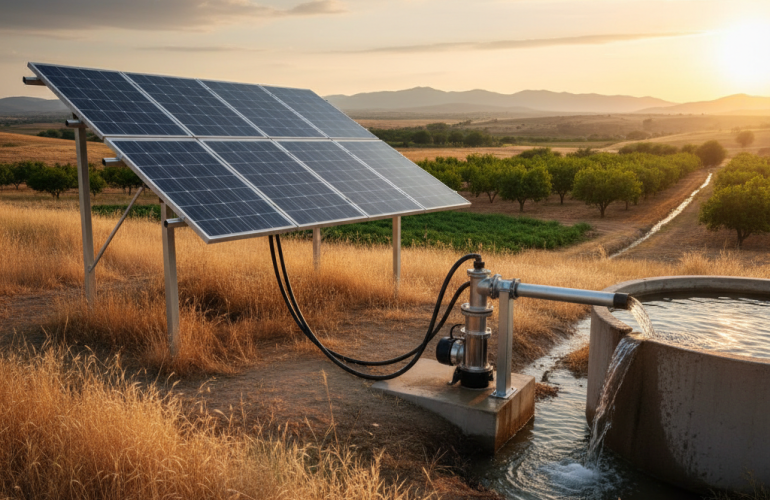
Faced with unreliable grid power and high diesel generator costs for their irrigation pumps, this cooperative invested in a large-scale solar pumping system. Within the first year, they reported a 60% reduction in irrigation operational costs and a significant increase in crop yield due to consistent water supply. Their initial solar panels for water pump investment is projected to be recouped in just 3.5 years.
Case Snippet 2: Manufacturing Plant in Industrial Area
A medium-sized factory struggled with escalating electricity tariffs, impacting their competitive edge. We designed and installed a 100kW rooftop solar system, including advanced monitoring. This installation now covers 70% of their peak energy demand, leading to annualized savings exceeding KES 4 million. They’ve also reduced their carbon footprint by approximately 80 tonnes of CO2 annually. This project showcases our capabilities in delivering solar companies in mombasa and other industrial hubs.
System Uptime Achieved
Average Energy Cost Reduction
Successful Installations
Frequently Asked Questions About Solar Panel Cost in Kenya
What is the typical cost of a solar panel system for a 3-bedroom house in Kenya?
For a standard 3-bedroom house in Kenya, the cost of solar panels for 3 bedroom house in Kenya typically ranges from KES 250,000 to KES 700,000. This broad range depends heavily on factors like system size (e.g., 3kW to 8kW), whether it’s grid-tied or off-grid, the quality of panels (Tier-1 vs. standard), battery storage needs, and the inverter type. We conduct detailed site assessments to provide a precise quote tailored to your specific consumption and requirements.
How long does it take for solar panels in Kenya to pay for themselves (ROI)?
The payback period for solar panel systems in Kenya typically ranges from 3 to 7 years. This ROI is influenced by factors such as the initial investment cost, the cost of grid electricity, your daily energy consumption, system efficiency, and available sunlight hours. Premium quality systems from installers like Power Stack Africa, combined with effective maintenance, often achieve payback at the lower end of this spectrum, maximizing your long-term savings.
Are there government incentives or subsidies for solar installations in Kenya?
While direct cash subsidies are limited, the Kenyan government promotes solar energy through policies such as VAT exemption on solar importation and equipment. Additionally, financial institutions and some NGOs offer tailored financing solutions to make solar more accessible. We can guide you on available financial options and ensure your installation complies with all regulatory requirements.
What kind of maintenance do solar panels require in Kenya’s climate?
Solar panels in Kenya require relatively low maintenance. The primary tasks include periodic cleaning of the panels to remove dust and debris, which can reduce efficiency by up to 15% during the dry season. We recommend cleaning every 3-6 months. Our team can also perform annual system checks to ensure all connections are secure and the inverter and battery systems are functioning optimally. For specialized needs, consider our solar power home inverter maintenance services.
Can solar power run essential appliances like a fridge and lights?
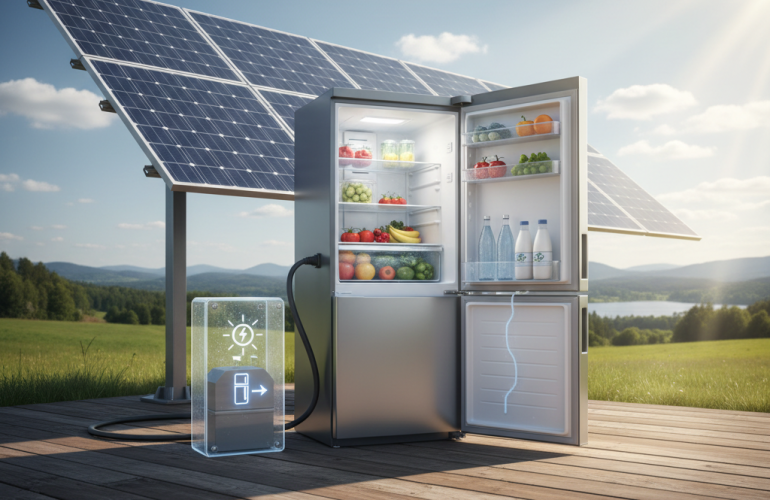
Yes, absolutely. With a properly sized system, solar power can comfortably run essential appliances including refrigerators, lights, fans, and even larger loads. For continuous operation, especially during evenings or cloudy days, a system with adequate battery storage is necessary. A grid-tied system can supplement your power needs, while an off-grid system relies entirely on solar and batteries. We’ve detailed this in our article, can solar power run a fridge.
What is the difference between grid-tied, hybrid, and off-grid solar systems in Kenya?
A grid-tied system connects to the national grid, allowing you to sell excess power back (if regulations permit) or draw from the grid when solar is insufficient. A hybrid system also connects to the grid but includes battery storage for backup power during outages and to optimize energy usage. An off-grid system is completely independent of the grid, relying solely on solar panels and battery storage, ideal for remote locations. Each has distinct cost implications and benefits.
How do I choose the right solar company in Kenya?
When selecting a solar companies in mombasa or anywhere in Kenya, look for: extensive experience, certified engineers and installers, transparent pricing with detailed quotes, strong warranties on components and workmanship, excellent customer reviews, and a proven track record of successful installations. Power Stack Africa embodies all these qualities. We invite you to compare our comprehensive approach and transparent costs.
Ready to Power Your Future with Solar?
Let Power Stack Africa design your perfect solar energy solution. Get a custom quote and expert consultation to understand the precise solar panel cost Kenya for your needs.
Related Reading
Continue learning with these hand-picked resources: