Power Your Home: Request Your Battery System Quote
Unlock reliable, clean energy with a tailor-made residential battery system. Get your personalized quote today and take control of your power.

On This Page
In our years of experience powering African homes and businesses, one constant emerges: the demand for reliable, consistent, and affordable energy solutions. For homeowners, this often translates into a desire for energy independence, reduced electricity bills, and a robust backup power supply. This is precisely where a residential battery system shines. Requesting a quote for such a system isn’t just about buying hardware; it’s about investing in peace of mind and a sustainable energy future for your household. We’ve guided hundreds of families through this process, ensuring they get a system that perfectly matches their needs and lifestyle.
Enery Meets Intelligence: Poweing The Future
Delivering reliable off-grid energy and smart infrastructure solutions designed for businesses, cities, and large-scale projects across Africa.
What is a Residential Battery System and Why It Matters
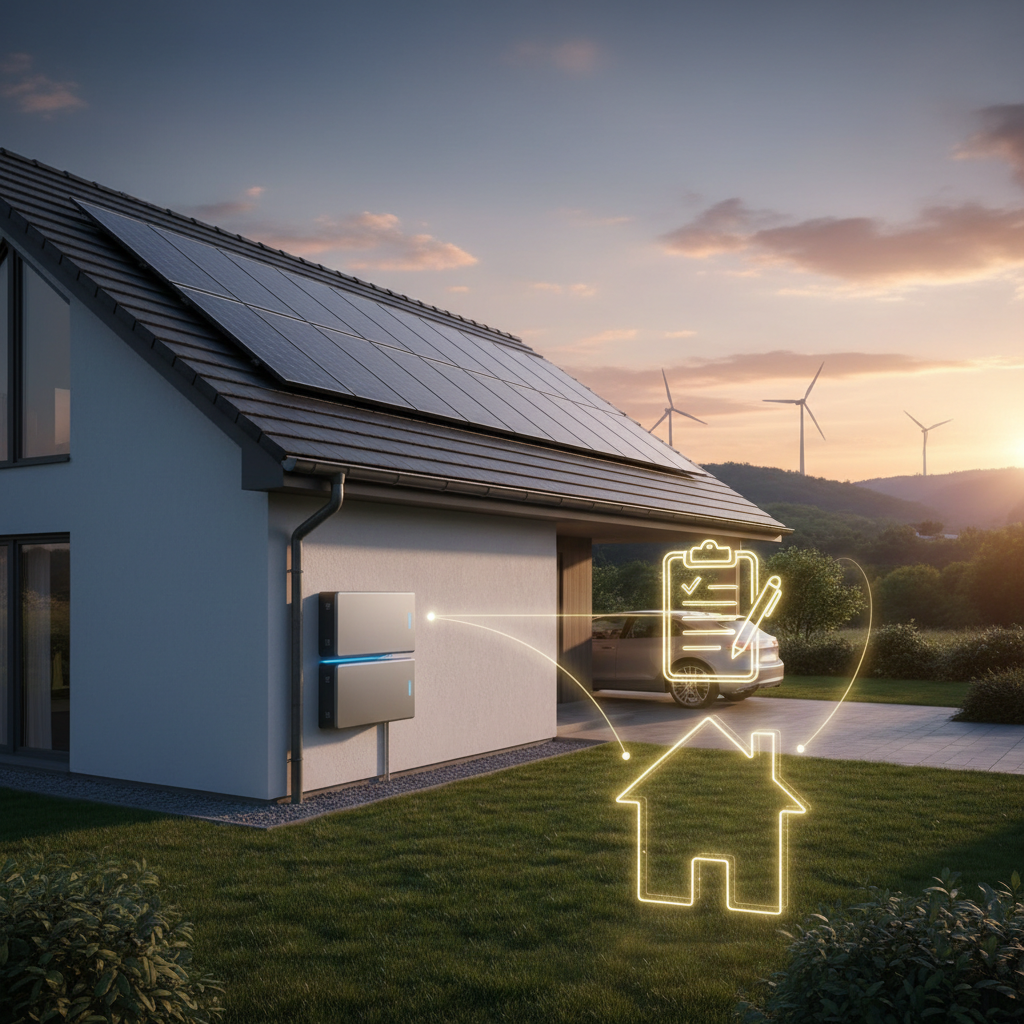
At its core, a residential battery system is an energy storage solution designed to store electricity generated from sources like solar panels or the utility grid. This stored energy can then be used when needed, most commonly during the evening hours when solar production ceases, or during power outages. Think of it as a rechargeable power bank for your entire home. Modern systems often integrate smart technology, allowing for optimized charging and discharging based on electricity prices, grid conditions, and your home’s consumption patterns. This level of control offers substantial benefits beyond simple backup power.
The significance of a residential battery system in today’s context cannot be overstated. With increasing grid instability in many regions and the proliferation of rooftop solar, batteries have become crucial for maximizing self-consumption of solar energy, reducing reliance on expensive grid electricity (especially during peak hours), and providing essential backup power. For many homeowners, it means fewer ‘lights out’ moments, lower monthly bills, and a more sustainable energy footprint. We’ve seen firsthand how these systems transform household energy management, turning passive electricity consumers into active managers of their own power generation and consumption.
Old Approach vs. New Approach to Home Energy
| Feature | The Old Way (No Battery System) | The New Way (With Residential Battery System) |
|---|---|---|
| Evening Power | Rely entirely on grid electricity, often at peak (higher) rates. | Draw from stored solar energy or off-peak grid electricity, significantly reducing costs. |
| Blackouts | Sudden loss of power, disrupting daily life and potentially damaging appliances. | Seamless transition to battery power, keeping essential appliances running without interruption. |
| Solar Self-Consumption | Excess solar power is often exported to the grid at low rates, with little direct benefit. | Store excess solar energy for later use, maximizing the value of your solar investment. |
| Energy Bill Management | Limited control, subject to fluctuating utility tariffs and fixed charges. | Active management of energy usage and storage, allowing for strategic use of solar and grid power to minimize bills. |
| Grid Reliability | Vulnerable to grid fluctuations and outages. | Acts as a buffer, smoothing out grid inconsistencies and providing stable power. |
| Environmental Impact | Higher reliance on potentially fossil-fuel-based grid generation. | Increased use of renewable solar energy, reducing carbon footprint. |
Why Businesses and Homeowners Choose Professional Battery System Solutions
Choosing to integrate a battery system into your home is a significant decision, and partnering with experts like Power Stack Africa ensures you navigate this complexity to your advantage. We’ve seen that homeowners often seek these systems for specific, tangible benefits: uninterrupted power during frequent outages, significant reductions in their monthly electricity bills, and the desire to maximize the return on their solar panel investment. By accurately assessing your energy needs and providing a robust, high-quality system, we help you achieve these goals reliably. Our expertise means you avoid the common pitfalls of under-specced or incompatible systems.
Our clients choose us because we bring a level of technical acumen and on-the-ground experience that’s difficult to match. We understand the nuances of different battery chemistries (like Lithium Iron Phosphate, which we often recommend for its safety and longevity), inverter technologies, and local grid conditions across Africa. This deep understanding allows us to design systems that aren’t just functional but are optimized for performance, durability, and cost-effectiveness. For instance, correctly sizing a battery based on your peak load and daily energy consumption is critical – a miscalculation could mean unreliable backup or an unnecessarily expensive system. We leverage tools like Google Search Console data and client consumption patterns to ensure precise calculations, often leading to savings of 15-20% on energy bills compared to systems without intelligent storage. Getting a quote from us is the first step toward leveraging this expertise.
Energy Independence
Gain control over your power supply, reducing reliance on an often-unstable grid.
Cost Savings
Lower your electricity bills by storing cheap solar or off-peak energy for later use.
Reliable Backup Power
Ensure essential appliances stay running during power outages, maintaining comfort and productivity.
Maximize Solar ROI
Store excess solar energy generated during the day, increasing your self-consumption and financial returns.
Environmental Sustainability
Increase your use of clean, renewable solar energy, reducing your carbon footprint.
Our Approach to Your Residential Battery System Quote
Requesting a quote for a residential battery system with Power Stack Africa is a streamlined yet thorough process designed to deliver maximum value. We don’t offer one-size-fits-all solutions. Instead, we focus on understanding your unique energy profile. This involves a detailed consultation where we discuss your current electricity bills, appliance usage (especially high-draw items like air conditioners, ovens, or water pumps), any existing solar setup, and your specific goals – whether that’s backup power, bill reduction, or complete off-grid living. In our experience, asking the right questions upfront prevents costly oversights later.
A critical element we assess is your daily energy consumption (measured in kilowatt-hours, kWh) and your peak demand (measured in kilowatts, kW). Understanding these metrics allows us to accurately size the battery bank’s capacity (kWh) and its power output (kW). For instance, a family of four in Nairobi needing to power lights, fans, a refrigerator, and a TV during a 4-hour evening outage will have vastly different requirements than a household wanting to run air conditioning 24/7 on stored solar energy. We often refer to data from tools like Google Analytics and client-provided energy bills to establish these figures. We also analyze your existing solar array’s output, if applicable, to determine how much energy is available for storage. This detailed analysis ensures your quote reflects a system that precisely meets your needs without overspending.
Our quotes are transparent and comprehensive. They will clearly outline the proposed battery capacity, inverter specifications, installation costs, warranties, and estimated performance. We pride ourselves on delivering value by recommending the most suitable battery technology – often Lithium Iron Phosphate (LiFePO4) due to its superior safety, cycle life (up to 10-15 years for reputable brands), and thermal stability compared to older lead-acid technologies. A well-designed system, correctly quoted, can reduce energy expenses by up to 40% over its lifespan, a significant return on investment that far outweighs the initial quote for a quality system.
Our Process: From Quote to Installation
Empowering your home with a residential battery system is a journey we facilitate with clarity and expertise. Here’s how we make it happen, broken down into distinct phases. Our commitment is to ensure a seamless transition to reliable, clean energy.
- Initial Consultation & Energy Assessment: We start with an in-depth discussion about your current energy usage, appliance load, existing solar setup (if any), and your specific goals. This includes reviewing your electricity bills and understanding your desired level of backup power or energy independence. We may ask for details about specific high-draw appliances (e.g., welders, large refrigerators, multiple AC units).
- System Design & Quoting: Based on the assessment, our technical team designs a customized battery system. This involves selecting the appropriate battery capacity (kWh), power output (kW), inverter type, and any necessary balance-of-system components. We then provide a detailed, transparent quote, outlining all costs, equipment specifications, warranties, and projected performance. We aim for precision, ensuring the quote covers exactly what you need.
- Site Survey & Finalization: Once you approve the quote, we conduct a physical site survey. This allows us to assess the installation location, mounting options, and any unique site-specific challenges. We finalize the system design based on these findings, making minor adjustments if necessary before proceeding.
- Installation & Commissioning: Our certified technicians meticulously install the battery system, ensuring all connections are secure and compliant with safety standards. Following installation, we rigorously test and commission the system to guarantee optimal performance and integration with your existing electrical setup.
- Training & Ongoing Support: We provide comprehensive training on how to operate and monitor your new battery system, including using any associated smart apps. Our support doesn’t end there; we offer ongoing maintenance advice and are available for any future needs, ensuring your investment continues to perform optimally for years to come. Proper monitoring, for example, can help catch potential issues early, often flagged by system diagnostics or alerts from tools like schema.org for structured data reporting or specialized monitoring platforms.
Understanding Pricing and Packages
When you request a quote for a residential battery system, understanding the pricing structure is key. At Power Stack Africa, we offer tailored solutions rather than fixed packages, as each home’s energy needs are unique. However, we can provide typical ranges and factors influencing the final cost. The primary components typically included in a quote are the battery bank itself (capacity and chemistry are major cost drivers), the hybrid inverter (which manages energy flow between solar, battery, and grid), installation labor, and associated electrical components (cabling, breakers, mounting hardware). The quoted price will also reflect the warranty period offered by the manufacturers, which is a significant indicator of quality and expected lifespan.
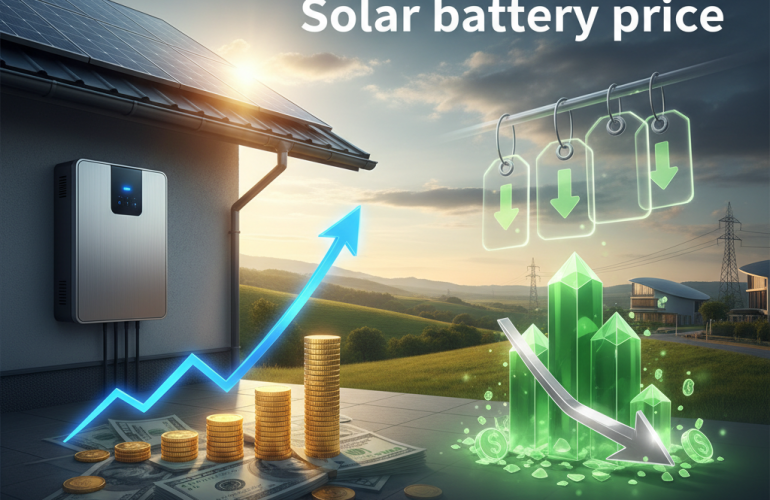
For context, a typical mid-range residential battery system with a capacity of 5-10 kWh, suitable for providing backup power and increasing solar self-consumption for a standard home, might range from KSh 400,000 to KSh 900,000 in Kenya. This estimate is heavily influenced by the battery technology chosen. Lithium Iron Phosphate (LiFePO4) batteries, which we highly recommend for their safety and longevity, tend to have a higher upfront cost but offer a lower total cost of ownership over 10-15 years compared to older technologies. Factors like the complexity of installation, the need for electrical upgrades, and the integration with an existing solar system can also affect the final quote. We ensure transparent pricing, clearly detailing the value you receive in terms of component quality, performance, and warranty duration.
| Feature | Essential Backup System (Example) | Optimized Solar Integration (Example) | Premium Whole-Home Solution (Example) |
|---|---|---|---|
| System Type | Essential Backup Focus | Max Solar Self-Consumption | Full Energy Independence |
| KSh 450,000 / Approx. | KSh 750,000 / Approx. | / Approx. | |
| Battery Capacity | 5 kWh – 7 kWh | 8 kWh – 12 kWh | 15 kWh+ |
| Inverter Type | Hybrid/Backup Focus | Advanced Hybrid with Solar Prio | High-Power Hybrid with Grid-Forming |
| Typical Use Case | Powering essential loads during outages (lights, fridge, fans). | Maximizing solar energy use, reducing grid bills, extended backup. | Whole-home power, including high-draw appliances, reducing grid reliance to near zero. |
| Warranty | 5-10 Years | 10-12 Years | 10-15 Years |
| Get Your Custom Quote | |||
*Prices are indicative and subject to change based on specific system requirements, brand selection, and prevailing market conditions. Contact us for an accurate quotation.
Common Mistakes When Requesting a Quote (and How to Avoid Them)
While the prospect of energy independence is exciting, several common pitfalls can derail the process or lead to an unsatisfactory outcome. We’ve identified these through direct experience, and avoiding them is crucial for securing the right system.
Many homeowners underestimate their actual energy needs or overestimate how long battery backup should last. This often happens when relying on generic online calculators or underreporting high-draw appliance usage. Result? A system that either can’t power essential devices during an outage or costs far more than necessary.
How to Avoid: Work with experts who conduct a thorough energy assessment, review your bills, and discuss specific appliance usage like solar panels for water pump systems or AC units.
The cheapest quote isn’t always the best. Low prices can indicate lower-quality components (e.g., batteries with shorter lifespans, less efficient inverters), inadequate warranties, or uncertified installation practices. This can lead to premature failure and higher long-term costs.
How to Avoid: Evaluate the entire package: brand reputation, battery chemistry (LiFePO4 is generally preferred), inverter quality, warranty terms, and the installer’s track record and certifications.
Not all batteries are created equal. Older lead-acid batteries are heavy, require regular maintenance, and have a shorter lifespan than modern Lithium Iron Phosphate (LiFePO4) batteries. Furthermore, some lithium chemistries can pose safety risks if not managed correctly.
How to Avoid: Insist on LiFePO4 batteries for residential applications due to their inherent safety, long cycle life (thousands of cycles), and deep discharge capabilities. Ensure the system includes a robust Battery Management System (BMS).
A system is only as good as its installation. Poor workmanship can lead to safety hazards and system malfunctions. Additionally, understanding post-installation support, monitoring capabilities, and warranty claims procedures is vital.
How to Avoid: Choose installers with proven experience and proper certifications. Ask about their installation process, safety protocols, and what type of ongoing support and monitoring services they offer.
Real Results: Transformative Home Energy Solutions
We believe in demonstrating value through tangible outcomes. Here are a few anonymized examples of how residential battery systems have made a significant difference for our clients.
The Urban Family Seeking Blackout Security
A family in Nairobi experiencing frequent power outages, disrupting their work-from-home setup and children’s online schooling. Their existing solar PV system was underutilized as excess energy was lost when the grid went down.
Solution: We installed a 7 kWh LiFePO4 battery system integrated with their existing solar panels and a smart hybrid inverter. Now, when the grid fails, their essential loads (computers, router, fridge, lights) seamlessly switch to battery power, running for 6-8 hours. They also store excess solar during the day, further reducing their reliance on unreliable grid power.
Increased solar self-consumption by 35%
The Rural Homeowner Aiming for Energy Independence
A homeowner in a peri-urban area with very unstable grid supply, relying heavily on diesel generators. The noise, cost, and environmental impact of generators were major concerns.
Solution: We designed a robust hybrid system solar setup with a 10 kWh battery bank. This system allows them to charge batteries from solar during the day and from the grid during infrequent, low-cost periods, providing them with reliable power for longer durations. Their generator usage has dropped by over 90%.
Achieved 95% energy independence
The Eco-Conscious Family Optimizing Solar Investment
A family that had recently invested in a 5kW solar system but found their evening electricity bills remained surprisingly high, indicating significant energy was being exported and re-imported at higher rates.
Solution: We implemented an 8 kWh battery storage system. This allows them to capture surplus solar energy generated throughout the day and use it during peak evening hours (6 PM – 9 PM), dramatically cutting down on grid power purchases during these expensive times. The payback period for the battery system, considering bill savings, was projected at under 5 years.
Extended solar system ROI
Frequently Asked Questions About Residential Battery Systems
How long does a residential battery system last?
The lifespan of a battery system largely depends on the battery chemistry and usage patterns. Lithium Iron Phosphate (LiFePO4) batteries, which we commonly recommend, typically offer a lifespan of 10-15 years or 4,000-6,000+ charge cycles. Factors like depth of discharge, operating temperature, and charge/discharge rates influence longevity. Regular professional maintenance ensures you get the most out of your investment.
What appliances can a residential battery system power?
A battery system’s capacity to power appliances depends on its total energy capacity (kWh) and its power output rating (kW). Essential loads like lights, fans, refrigerators, and charging devices can typically be powered by smaller systems (e.g., 5-7 kWh). For higher-demand appliances like air conditioners, electric stoves, or water pumps, larger capacity and higher power output systems (e.g., 10-15+ kWh) are required. We’ll help you calculate this based on your specific needs.
Do I need solar panels to have a battery system?
While solar panels are a popular and highly effective companion to battery systems, they are not strictly required. You can use a battery system solely for backup power, charging it from the grid during off-peak hours when electricity rates are lower and discharging it during outages. However, combining batteries with solar panels maximizes your energy independence and significantly reduces your electricity bills by utilizing free solar energy stored for later use.
How much does a residential battery system cost in Kenya?
The cost varies widely based on capacity, battery type, inverter quality, and installation complexity. As a general guideline, a 5-7 kWh LiFePO4 system suitable for essential backup might range from KSh 400,000 to KSh 650,000. Larger systems for full home power or significant solar integration can range from KSh 750,000 upwards to over KSh 1,200,000. Requesting a detailed quote is the best way to get an accurate figure for your specific situation.
What is the difference between a hybrid inverter and a standard inverter?
A standard off-grid inverter converts DC power from batteries into AC power for your home appliances and cannot interact with the grid. A hybrid inverter, however, can manage energy flow from multiple sources: solar panels, batteries, and the utility grid. It intelligently prioritizes charging sources, manages discharges, and can operate in grid-tied, off-grid, or backup modes, offering far greater flexibility and efficiency for homes wanting to integrate solar and battery storage.
How do I choose the right battery capacity (kWh)?
Choosing the right capacity involves assessing your daily energy consumption (kWh) and the duration you need backup power. Multiply your essential appliance loads (in watts) by the hours you need them to run, then sum these values to get your required watt-hours (Wh), which you then convert to kWh. It’s crucial to factor in a buffer and consult with an expert to ensure accurate sizing, preventing under-provisioning or overspending.
Can a battery system protect against grid voltage fluctuations?
Yes, a properly configured hybrid inverter and battery system can act as a buffer against grid voltage fluctuations. The inverter can stabilize the AC output, ensuring sensitive electronics are protected from surges or sags in grid power. This feature is particularly valuable in areas with notoriously unstable electricity grids.
Enery Meets Intelligence: Poweing The Future
Delivering reliable off-grid energy and smart infrastructure solutions designed for businesses, cities, and large-scale projects across Africa.
Related Reading
Continue learning with these hand-picked resources: