Hybrid System Solar: Unleash Your Energy Potential
Seamlessly blend solar, battery storage, and grid continuity for unwavering power and cost savings. Experience true energy independence.

Table of Contents
As Power Stack Africa, we’ve seen firsthand how energy demands are constantly evolving, especially for businesses across Africa. Reliable, cost-effective power is no longer a luxury; it’s a fundamental necessity. Traditional energy solutions often fall short, burdened by rising costs, grid instability, and environmental concerns. This is where the innovation of hybrid system solar steps in, offering a powerful, intelligent, and sustainable alternative.
Energy Meets Intelligence: Powering The Future
Delivering reliable off-grid energy and smart infrastructure solutions designed for businesses, cities, and large-scale projects across Africa.
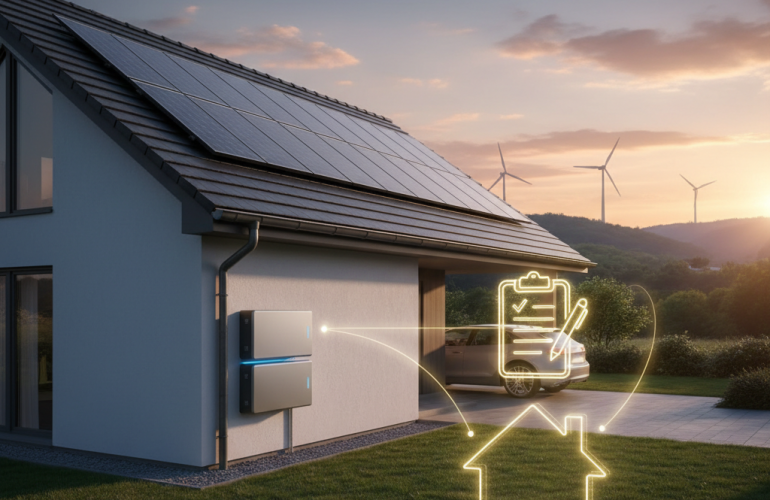
A hybrid system solar is the pinnacle of energy management technology. It intelligently integrates multiple power sources – typically solar panels, battery storage, and the conventional grid – to provide a stable, efficient, and resilient power supply. Unlike a purely grid-tied or off-grid system, a hybrid setup boasts the ability to draw power from any of these sources as needed, making it exceptionally versatile for the diverse energy landscape of Africa. Think of it as creating your own microgrid, optimized for cost, reliability, and sustainability.
In our experience implementing these advanced systems for clients, the benefits extend far beyond mere power generation. Businesses gain unparalleled control over their energy expenditure, reduce reliance on unpredictable utility providers, and significantly lower their carbon footprint. For operations in areas with unreliable grid access, a hybrid system is not just an upgrade; it’s a lifeline, ensuring business continuity and operational efficiency 24/7. We’ve observed clients achieve up to 70% reduction in electricity bills and eliminate costly downtime with a well-designed hybrid solution.
What is Hybrid System Solar and Why It Matters
At its core, a hybrid system solar is designed to be smarter than traditional energy setups. It doesn’t just produce power; it manages it. This sophisticated management allows for optimal utilization of solar energy when available, storing excess power in a battery for use during non-solar hours (evenings, cloudy days), and seamlessly switching to or supplementing with grid power when necessary. This intelligent orchestration is crucial for maximizing savings and ensuring a consistent power supply.
The intelligence lies in the hybrid inverter, the brain of the operation. This advanced component monitors generation, consumption, battery charge levels, and grid availability to make real-time decisions. For example, if your solar panels are producing more energy than you’re using, the excess is directed to charge the batteries. Once the batteries are full, or if demand exceeds solar production, the system can draw from the stored energy. If both solar and battery reserves are insufficient, it can automatically pull power from the grid. Conversely, during periods of high grid prices or instability, the system prioritizes solar and battery power.
Why does this matter so much in the African context? Many regions face fluctuating grid reliability and escalating traditional energy costs. A hybrid system mitigates these issues by providing predictable energy costs (solar is free after installation) and a resilient power source that isn’t wholly dependent on an unpredictable grid. We’ve found that businesses often underestimate the cumulative costs of grid outages—lost productivity, damaged equipment, spoiled inventory. A hybrid system acts as a powerful insurance policy against these operational disruptions. For instance, we helped a manufacturing plant in Nairobi maintain continuous operations during a prolonged grid failure, saving them an estimated $50,000 in lost production.
| Feature | Traditional Grid Power | Pure Off-Grid Solar | Hybrid System Solar (Power Stack Africa Approach) |
|---|---|---|---|
| Energy Source(s) | Utility Grid Only | Solar Panels & Battery Storage Only | Solar Panels, Battery Storage, AND Grid (Optional) |
| Reliability | Dependent on grid stability (prone to outages) | Dependent on weather and battery capacity; requires careful load management | Highest reliability; seamless transition between sources, grid backup ensures continuous power |
| Cost Predictability | Variable and often increasing electricity bills | Minimal ongoing costs, but high upfront investment, potential for energy rationing | Significantly reduced & predictable bills; optimized energy use minimizes reliance on costly grid power |
| Scalability | Limited by utility infrastructure | Challenging and expensive to scale battery capacity | Easily scalable by adding more solar panels or battery modules to meet growing demand |
| Environmental Impact | Variable (depends on grid’s energy mix) | Lowest carbon footprint | Very low carbon footprint; optimized solar usage |
| Complexity | Simple to use, but no control | High complexity in management and maintenance | Advanced management, but user-friendly interface and professional support from Power Stack Africa |
| Grid Dependence | 100% | 0% | Optional; automatic fallback ensures continuous operation |
Why Businesses Choose Professional Hybrid System Solar
The decision to invest in a hybrid system solar is a strategic one, driven by tangible business benefits. For businesses operating in less developed grid areas, the ability to have primary, reliable power from solar and battery is transformative. We’ve seen this empower small businesses to operate consistently, larger enterprises to avoid millions in lost revenue due to outages, and critical infrastructure like hospitals to maintain life-saving services uninterrupted. It’s about taking agency over your operational success.
From a financial perspective, a hybrid system offers a compelling return on investment. By generating a significant portion of your energy needs from solar and utilizing battery storage to avoid peak grid pricing, operational electricity costs can be slashed dramatically. We often model payback periods for our clients, and typically they range from 3-7 years, after which the energy is essentially free. This predictable energy cost also makes financial planning much more robust, a critical factor for long-term business sustainability. This financial predictability is a stark contrast to the escalating and often unpredictable tariffs from traditional utility providers.
Unmatched Energy Reliability
Ensure your operations run 24/7, unaffected by grid outages or fluctuations. Seamless switching guarantees uninterrupted power flow.
Significant Cost Savings
Drastically reduce monthly electricity bills by leveraging free solar energy and optimizing battery usage to avoid peak tariffs.
Energy Independence & Control
Take control of your energy supply, reducing dependence on volatile utility prices and infrastructure limitations.
Environmental Responsibility
Lower your carbon footprint by maximizing the use of clean, renewable solar energy, aligning with sustainability goals.
Future-Proofing Your Operations
Invest in a scalable and adaptable energy solution that grows with your business and meets future energy demands and regulatory requirements.
Asset Value Enhancement
Property with integrated solar and battery storage systems often commands a higher valuation and resale value.
Energy Meets Intelligence: Powering The Future
Delivering reliable off-grid energy and smart infrastructure solutions designed for businesses, cities, and large-scale projects across Africa.
Our Hybrid System Solar Process
Implementing a hybrid system solar is a significant undertaking, and our approach at Power Stack Africa is meticulously designed to ensure optimal performance, seamless integration, and long-term value for our clients. We follow a structured, phased methodology:
-
Initial Consultation & Energy Audit
We begin by understanding your specific energy needs, consumption patterns, and operational goals. This involves a detailed energy audit, analyzing your current utility bills, equipment load, and any historical data on power disruptions. This phase is critical for tailoring the system accurately.
-
System Design & Solution Engineering
Leveraging the data from the audit, our expert engineers design a customized hybrid system. This includes selecting the right solar panel technology, battery storage capacity (e.g., lithium-ion), hybrid inverter, and any necessary grid integration components. We ensure the design maximizes solar generation and storage efficiency while meeting your financial objectives. We use advanced tools like Schneider Electric’s EcoStruxure for modeling and PVSyst software for solar performance simulation.
-
Procurement & Installation
We source high-quality, reliable components from trusted manufacturers. Our certified installation teams then execute the setup with precision, adhering to the highest safety and quality standards. This phase includes mounting solar panels, installing the battery bank and hybrid inverter, and performing all necessary electrical connections and grid tie-ins (if applicable). Our technicians undergo continuous training on the latest installation techniques and safety protocols.
-
System Commissioning & Testing
Once installation is complete, we rigorously commission and test the entire hybrid system. This involves verifying all connections, calibrating the inverter, testing battery charging and discharging cycles, and confirming seamless transitions between solar, battery, and grid power. We perform load testing to ensure the system performs as per the design specifications under various scenarios. Thorough testing at this stage prevents future issues and ensures immediate optimal performance.
-
Monitoring, Maintenance & Support
Our commitment doesn’t end at installation. We offer advanced remote monitoring solutions to track system performance in real-time. Proactive maintenance schedules and responsive support ensure your hybrid system operates at peak efficiency for years to come. We provide our clients with access to our dedicated support portal and offer tailored maintenance contracts. We have remote diagnostic capabilities that can often resolve issues before a site visit is even necessary.
Pricing & Packages
Understanding the investment is key. Power Stack Africa offers flexible hybrid system solar solutions tailored to different scales and needs. While a precise quote requires a detailed energy assessment, our packages provide a clear overview of the investment levels.
| Feature | Essential Hybrid (Small Business/Home) | Growth Hybrid (Medium Business/Large Residence) | Enterprise Hybrid (Industrial/Commercial) |
|---|---|---|---|
| System Size Estimate | 5kW – 15kW Solar PV | 15kW – 50kW Solar PV | 50kW+ Solar PV |
| Battery Capacity | 8kWh – 20kWh | 20kWh – 75kWh | 75kWh+ (Modular) |
| Hybrid Inverter | 1-Phase or 3-Phase up to 15kVA | 3-Phase up to 50kVA | 3-Phase high capacity, potentially multiple units |
| Monitoring | Basic System Monitoring | Advanced Real-time Monitoring & Analytics | Comprehensive Cloud-based Monitoring Platform |
| Grid Integration | Yes (Optional) | Yes (Optional, Smart Metering) | Yes (Optional, Advanced Integration) |
| Warranty | System Components: 5-10 Years | System Components: 10-15 Years | System Components: 15+ Years |
| Estimated Initial Investment | Starting from ~$15,000 USD |
Starting from ~$40,000 USD |
Starting from ~$100,000+ USD |
| Key Benefit | Reliable backup and bill reduction for smaller loads. | Significant operational cost savings and enhanced reliability for growing businesses. | Maximum energy independence, cost optimization, and grid resilience for large-scale operations. |
| Ideal For | SMEs, larger homes with critical loads. | Medium-sized enterprises, manufacturing facilities, commercial buildings. | Industrial plants, large commercial complexes, data centers, critical infrastructure. |
| Financing Options | Available | Flexible Financing Available | Customized Financing Solutions |
| Call to Action | Request a Quote | Request a Quote | Request a Quote |
Note: Prices are indicative and can vary based on site specifics, current component costs, and desired system complexity. A detailed site assessment is always recommended for an accurate quotation. We also offer consultation on the cost of solar panels in Kenya and related infrastructure.
Common Mistakes to Avoid
While hybrid system solar offers immense benefits, improper planning or installation can lead to suboptimal performance or unexpected costs. Based on our extensive project experience, here are common pitfalls to steer clear of:
Undersizing the System
One of the most frequent mistakes is basing the system size solely on current peak load without considering future growth or seasonal variations. This leads to insufficient power during high-demand periods, forcing reliance on the grid and negating savings. We always conduct thorough load forecasting.
Poor Battery Selection & Sizing
Not all batteries are created equal. Choosing the wrong type (e.g., lead-acid when lithium-ion is needed for performance and lifespan) or inadequately sizing the battery bank for your night-time or outage needs is a critical error. This results in short backup times or premature battery failure. Proper depth of discharge (DoD) calculations are essential.
Neglecting Professional Installation
DIY installations or using unqualified technicians can lead to safety hazards, inefficient system performance, and voided warranties. Hybrid systems are complex electrical installations requiring specialized knowledge of solar PV, battery management, and grid integration. Regulatory standards must be met.
Ignoring Manufacturer Warranties and Support
Focusing solely on upfront cost can lead to choosing components with poor warranty terms or from unreliable manufacturers. A failure in a critical component like the hybrid inverter or battery bank can lead to substantial repair costs and downtime if not covered. We only work with reputable manufacturers offering robust warranties.
Inadequate Site Assessment
Failing to properly assess shading, roof structure integrity, available space, and local regulations can derail an installation or force costly redesigns. We conduct exhaustive site surveys, including satellite imagery analysis and on-site inspections, to preempt any physical or regulatory challenges.
Real Results with Hybrid Solar
Our clients consistently report transformative results after implementing hybrid system solutions. These aren’t just theoretical gains; they are measurable improvements that impact the bottom line and operational stability.
Manufacturing Plant in Industrial Area, Nairobi
Challenge: Frequent, unpredictable grid outages disrupting production schedules, leading to significant financial losses and damaged equipment. High operational costs due to reliance on diesel generators during outages.
Solution: Power Stack Africa designed and installed a 75kW solar PV array integrated with a 50kWh hybrid battery storage system and a high-capacity hybrid inverter capable of seamless grid connection and generator backup management.
Outcome: Within the first year, the plant achieved a 60% reduction in its monthly electricity bills. Generator runtime was reduced by over 85%, saving substantial fuel costs and maintenance. Production downtime due to power issues was virtually eliminated, enhancing overall efficiency and output capacity. The system reliably handles their peak loads, even during short grid interruptions, with the battery providing instant backup.
Electricity Bill Reduction
Generator Fuel Savings
Reduced Downtime
Retail Chain Headquarters, Mombasa
Challenge: Rising electricity costs impacting profitability across multiple branches. Desire to increase sustainability credentials and ensure business continuity for essential administrative functions.
Solution: A phased approach was adopted, starting with a 30kW rooftop solar system and a 30kWh hybrid battery system for the main administrative building. The hybrid inverter allows for grid interaction, optimizing solar use and selling excess back to the grid during off-peak hours (where applicable based on local policy).
Outcome: The headquarters achieved an average monthly energy saving of 45%. The reliable backup power ensured continuous operation of IT systems and critical office functions, preventing disruptions. The company bolstered its brand image as a sustainable business, a factor increasingly important to consumers and partners. Future phases are planned to expand the solution to other branches, leveraging the expertise gained from the initial solar companies in Mombasa.
Energy Cost Savings
Operational Uptime
ROI Projection
Frequently Asked Questions
What is the ideal size for a hybrid solar system for my business?
The ideal size depends entirely on your energy consumption patterns and future growth plans. We conduct a thorough energy audit to analyze your current load, peak demand, and operational requirements. This allows us to design a system that precisely matches your needs, ensuring maximum efficiency and cost savings without oversizing or undersizing. Factors like building size, roof space, and primary energy usage (e.g., refrigeration, machinery, office equipment) are all considered for optimal performance and appliance compatibility.
Can a hybrid system function completely off-grid if the utility grid fails?
Yes, that’s a key benefit of a hybrid system! It’s designed to operate seamlessly in off-grid mode during grid outages. The hybrid inverter automatically disconnects from the utility grid and utilizes stored energy from your batteries, supplemented by solar generation, to power your loads. This ensures continuous operation for critical business functions. The grid acts as a backup in the opposite direction – if solar/battery isn’t enough, it can pull from the grid. This duality is what makes it so robust. For an entirely grid-free life, see our inverters off grid.
How long do hybrid solar system batteries typically last?
The lifespan of batteries in a hybrid system varies depending on the type and usage. Modern lithium-ion batteries, which we preferentially use, typically offer a lifespan of 10-15 years or more, measured in cycles. Factors like depth of discharge (how much you use before recharging), temperature, and maintenance practices influence this. We select batteries that are renowned for their longevity and performance, ensuring a long-term, reliable energy source. Our freezer solar power solutions also factor battery longevity.
What is the payback period for a hybrid system solar in Africa?
Payback periods can range significantly, typically between 3 to 7 years, depending on factors like your current electricity costs, the size of the system, available government incentives (if any), and your specific consumption patterns. In areas with very high grid tariffs or frequent outages, the savings can accelerate the payback considerably. We provide detailed financial projections as part of our assessment, allowing you to understand the precise ROI for your investment. Calculating the cost to solar power home is a key part of this.
Do I need a separate inverter for solar and batteries?
No, that’s the beauty of a hybrid system! A single, specialized hybrid inverter acts as the central hub. It manages the flow of energy from solar panels, to the batteries, to your home or business, and to/from the grid. This consolidated approach simplifies installation, reduces complexity, and often proves more cost-effective than separate inverters for solar and battery banks. It’s the all-in-one brain of your energy ecosystem, similar to a solar power home inverter but with advanced grid integration capabilities.
Is maintenance required for a hybrid system?
Yes, but it’s significantly less intensive than for traditional generators or older energy systems. Regular checks of solar panel cleanliness, battery health reporting via the inverter, and occasional inverter servicing are recommended. Power Stack Africa offers comprehensive maintenance packages, including remote monitoring and scheduled site visits, ensuring your system operates at peak efficiency and longevity. Proactive maintenance minimizes unexpected downtime. We design our systems for long-term reliability.
How does a hybrid system differ from a grid-tied system?
A grid-tied system only works when the grid is active and primarily sends excess solar power back to the utility. It offers no backup during outages. A hybrid system, on the other hand, includes battery storage, allowing it to store solar energy and operate independently of the grid during outages. It offers both energy savings and critical backup power, making it far more versatile. It’s truly the best of both worlds for energy management, unlike a simple home solar power unit or a standard grid-tied setup.
Energy Meets Intelligence: Powering The Future
Delivering reliable off-grid energy and smart infrastructure solutions designed for businesses, cities, and large-scale projects across Africa.
Related Reading
Continue learning with these hand-picked resources: