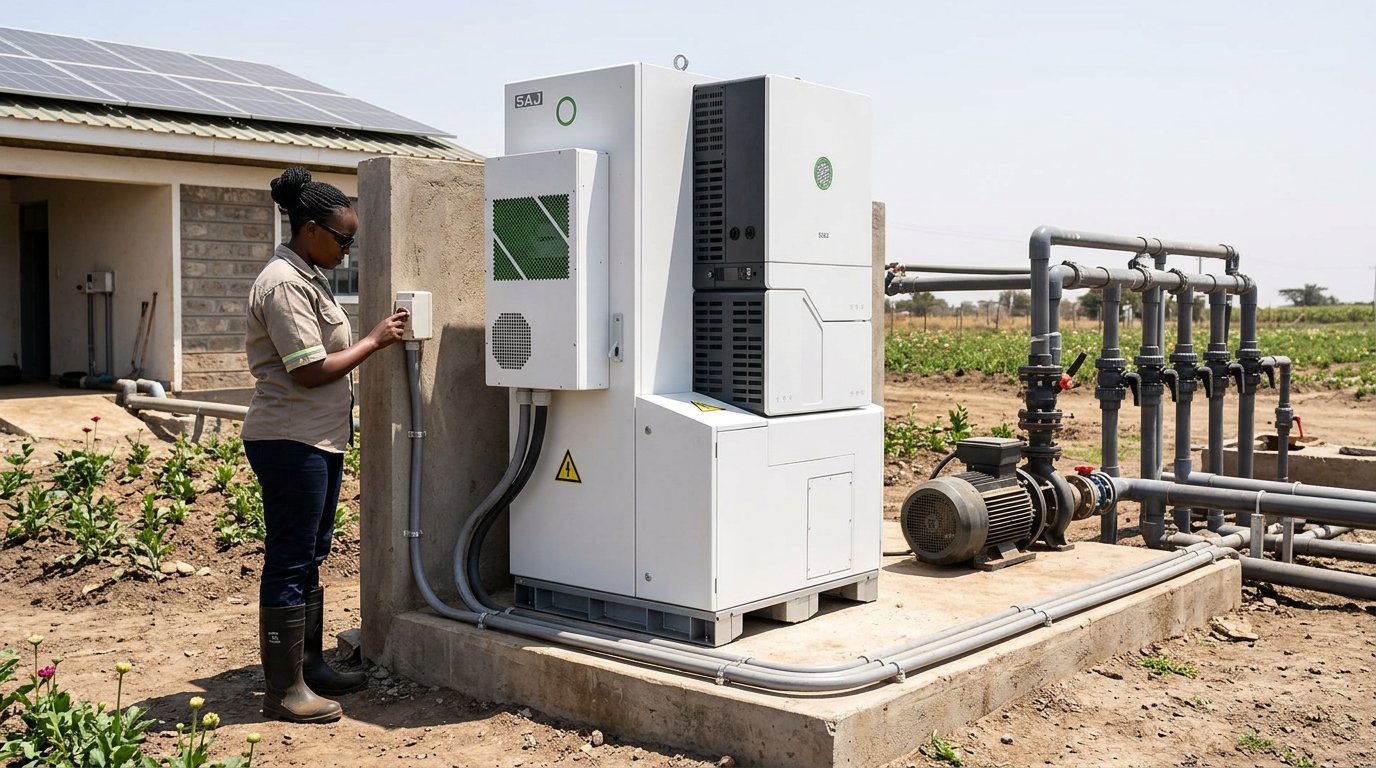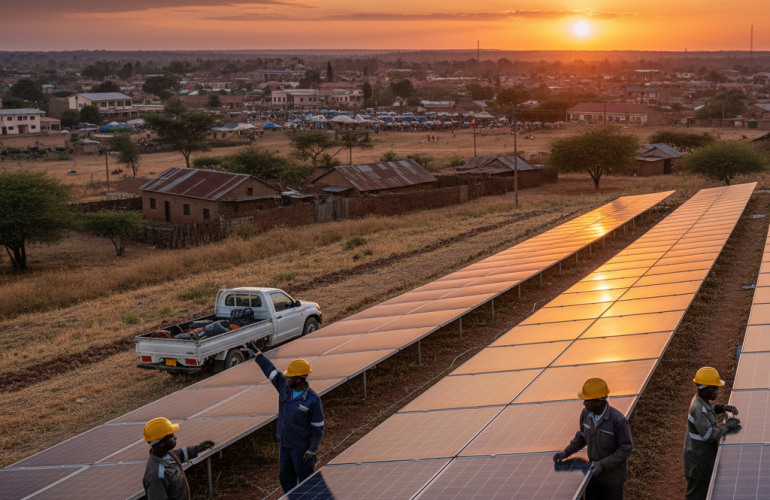
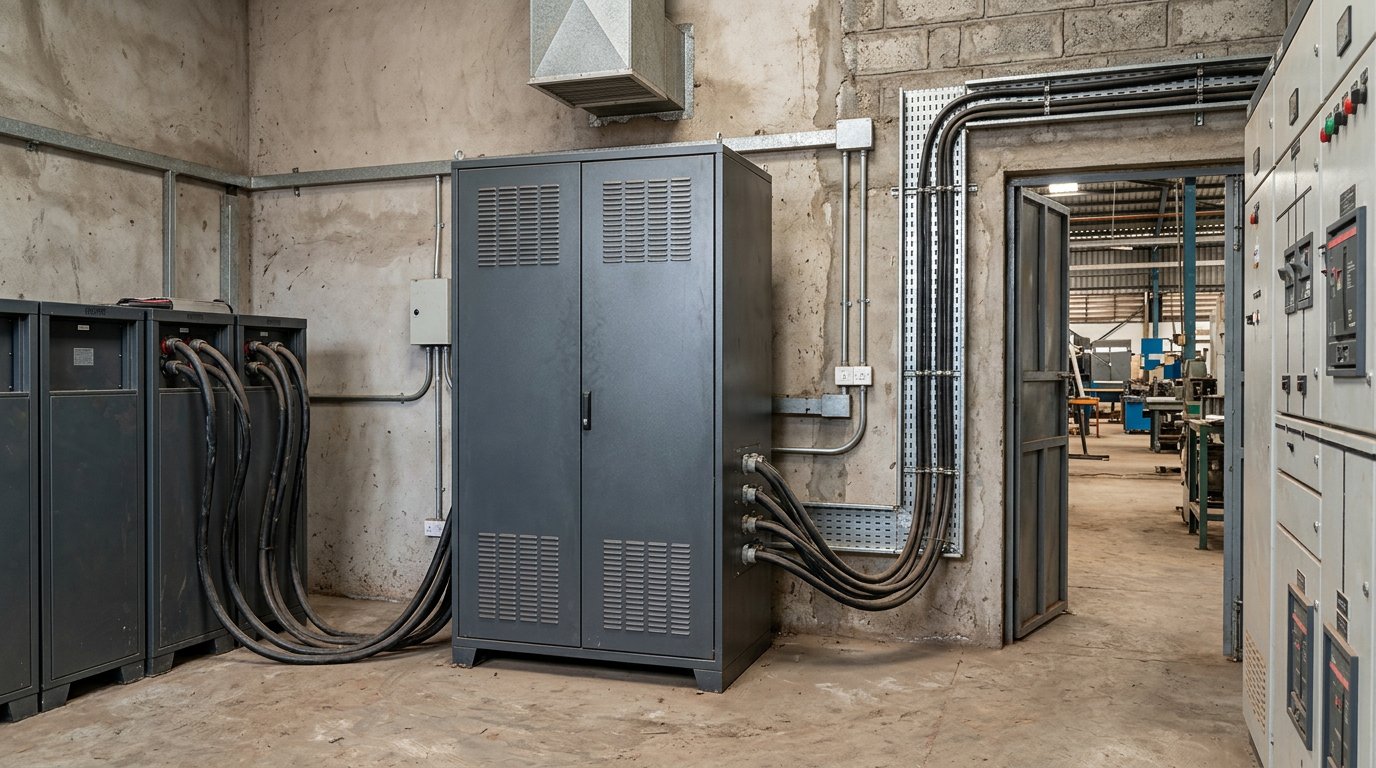
A battery can store energy, but it cannot by itself deliver the right form of power to a commercial facility. A commercial power conversion system (PCS) controls the interface between the battery, solar generation, the grid and site loads.
That distinction matters when you plan a battery energy storage system (BESS). The battery management system protects the cells, the energy management system sets operating priorities, and the PCS converts direct current into alternating current for facility equipment. When charging, it converts power back to direct current for storage.
This guide explains what a PCS does, how it differs from a solar inverter and battery controls, and which project details help determine system suitability and integration in Kenya. It also explains how Powerstack Africa Energy Ltd’s Golen LEG-250K/500K-TT-B commercial PCS fits into an engineered solar, storage and facility-grid solution.
Key Takeaways
- Use measured load profiles, operating schedules and energy objectives to set practical system design requirements.
- Assess how solar generation, battery storage, grid supply and facility loads will interact before specifying a commercial power conversion system.
- Distinguish charging from discharging: the PCS converts incoming alternating current to direct current for storage, then stored direct current back to alternating current for compatible loads.
- Powerstack Africa integrates energy audits, system design, equipment procurement and installation, including its Golen LEG-250K/500K-TT-B commercial PCS offering.
What a Commercial Power Conversion System Does in a BESS
A commercial power conversion system (PCS) converts and controls energy flow between connected components in a battery energy storage system (BESS). It links the battery’s direct current (DC) with the facility’s alternating current (AC) electrical system, allowing energy to move between storage and compatible loads or the grid.
This interface matters when your facility combines battery storage, solar generation and grid supply. The PCS handles the electrical conversion needed for these sources to work together. For example, depending on the system architecture and controls, surplus solar generation may charge the battery, while stored energy can later be converted for facility equipment. The design determines how solar generation connects. It may use a separate hybrid solar inverter in Kenya or an integrated arrangement.
Where PCS Sits Between Batteries and the Facility Grid
During discharge, the main path is battery DC, PCS conversion, then facility AC distribution and connected loads. During charging, incoming AC power is converted to DC for storage. The facility’s electrical design determines the connection points and how grid and solar power flow through the system. This component-level view complements broader explanations of battery energy storage systems, including their power-electronics interface with the AC grid.
PCS Is Not the Entire Energy Storage System
The PCS handles conversion and power flow, but it is only one part of the BESS. The battery stores energy. The battery management system (BMS) monitors and protects the battery cells. The energy management system sets operating priorities, such as when to charge or discharge, according to the project’s control strategy.
Keeping these roles distinct helps you assess the system without treating the PCS as a standalone solution. Energy audits, facility load information and coordinated engineering connect equipment selection to site requirements. That is why PCS planning belongs within a commercial solar EPC project, where generation, storage and facility-grid connections are designed as parts of one system.
How a Commercial PCS Controls Bidirectional Energy Conversion
A commercial power conversion system moves energy in either direction by converting between direct current (DC) and alternating current (AC). The operating sequence depends on the electrical design, control settings and available power sources, so installations do not all follow the same path.
Charging and Discharging in Practical Terms
During charging, incoming AC electricity is converted to DC for storage in the battery. The AC supply may come from the grid or, depending on the system architecture, from solar generation routed through suitable conversion equipment. During discharge, stored DC is converted to AC for compatible facility loads. In short, the PCS converts AC to DC for battery charging and DC to AC for delivery to AC loads.
Control settings define when charging or discharging is permitted and how the system responds to operating priorities. A facility may schedule charging when energy is available and discharge later to serve selected loads. The design must specify which circuits the system serves and how it interacts with the grid. Grid functions, such as power control or grid support, depend on the engineered configuration. They are not automatic features of every PCS. The U.S. Department of Energy outlines the role of bidirectional power electronics and grid services in inverter-based systems.
How PCS, BMS, and Energy Management System Work Together
Each control layer has a distinct responsibility. The battery management system (BMS) monitors battery information and manages cell protections. The energy management system coordinates production, storage and consumption according to the project’s operating strategy. The PCS carries out electrical conversion and responds to control commands within its designed operating limits.
For project planning, define the intended charge sources, discharge loads, operating priorities and grid interaction. This information helps align the PCS with the battery, controls and facility distribution. Powerstack Africa’s commercial energy system design brings these interfaces into the wider project plan.
What to Assess Before Specifying a Commercial Power Conversion System
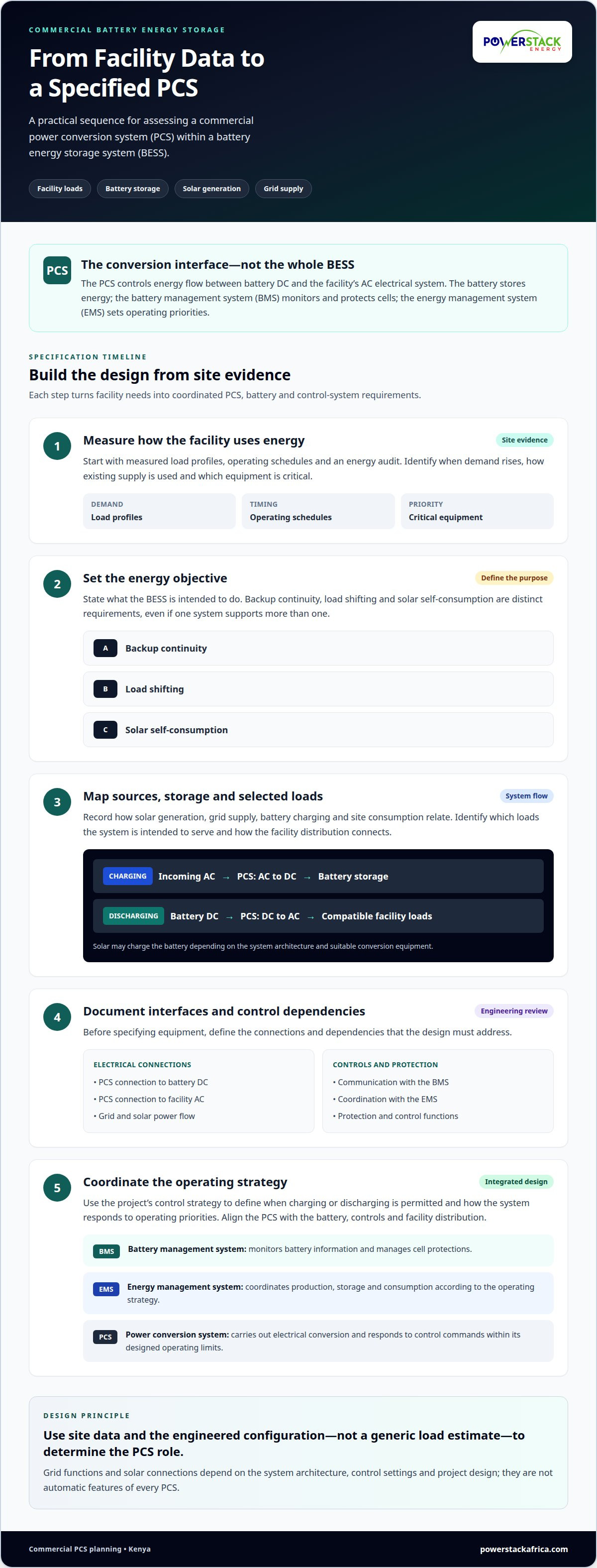
Start with measured load profiles, operating schedules and the facility’s energy objectives. An energy audit can show when demand rises, which loads are critical and how existing supply is used. Load forecasting adds expected future demand to the design basis. Together, these inputs help define the PCS role without assuming a power rating or operating mode before project data is available.
Set the objective clearly. Backup continuity, load shifting and solar self-consumption are different requirements, even when one BESS supports more than one. The operating strategy affects how the PCS, battery, controls and facility distribution need to work together.
Translate Facility Requirements into PCS Design Inputs
Use audit findings to map demand across operating hours and identify the loads the system is intended to serve. Record operating schedules, critical equipment and the relationship between solar generation, battery charging, grid supply and site consumption. This gives engineers a project-specific basis for evaluating the commercial power conversion system instead of relying on a generic load estimate.
Check System Interfaces and Operating Boundaries
Document the interfaces and dependencies for engineering review before specifying equipment. The design should establish how the PCS connects to battery DC and facility AC, how it communicates with the battery management system and energy management system, and how protection and control functions fit the installation. Also define which loads are in scope and the intended grid interaction.
Review the full architecture, not the PCS in isolation. Battery and PCS compatibility, the solar connection arrangement, control signals and protection design all affect system suitability. A clear project record can include:
- Measured load profiles and operating schedules
- Energy objectives and loads to be served
- Solar, battery and grid connection arrangement
- PCS, battery, control and protection interfaces
Powerstack Africa’s energy audits and system design help translate facility requirements into project inputs. Plan a commercial energy audit to establish the basis for PCS selection.
How Powerstack Africa Integrates Commercial PCS into Energy Projects
Powerstack Africa treats a commercial power conversion system as part of an engineered facility energy project, not as a standalone equipment choice. The project pathway connects energy audit findings to system design, equipment procurement and installation. This lets the PCS be assessed alongside solar generation, battery storage, grid supply and facility loads.
From Energy Audit to Integrated System Design
The process starts with facility information: measured load profiles, operating schedules and your energy objectives. These inputs help establish how solar generation and battery storage could work with existing grid supply and the loads you need to serve. Powerstack Africa’s energy audits inform design decisions, while commercial solar EPC and storage integration bring generation and storage into a coordinated project plan.
Equipment selection follows the system requirements. Powerstack Africa offers the Golen LEG-250K/500K-TT-B Commercial Power Conversion System (PCS) as a commercial PCS option. It also offers the IESP 60kW HV C&I Storage Inverter as a separate product. These are distinct offerings, and the appropriate equipment depends on the project’s system design and interfaces.
Procurement and installation follow the design pathway. This sequence connects component selection to facility requirements rather than treating the PCS, battery and solar equipment as unrelated decisions. It also gives commercial and industrial stakeholders a clear basis for assessing how a proposed system fits their site and operating objectives.
Discuss the Project Requirements with Powerstack Africa
Prepare the facility’s load information, operating schedule and priorities for a project discussion. Powerstack Africa’s team uses these requirements to frame the engineering conversation around system architecture, equipment selection and integration. A clear project brief helps align the PCS with the wider solar, storage and facility-grid design.
Discuss your commercial energy project.
Move Your Commercial Energy Project Forward
Turn facility priorities into a clear project brief. Record the operating objectives, the expected role of storage and solar, and the site information your engineering team will need. This gives the commercial power conversion system a defined place in the wider project design and keeps equipment decisions tied to operational requirements.
Powerstack Africa’s team brings more than a decade of solar energy experience in Kenya and has completed hundreds of projects. Its work includes commercial solar EPC and energy storage integration, helping businesses develop project requirements into engineered systems.
Share your facility objectives to start a focused discussion about system design and project fit. Discuss your commercial energy project. A well-defined brief is a practical first step toward an energy system designed around your operations.
Frequently Asked Questions
Can a commercial PCS be added to an existing solar installation?
Yes, a retrofit may be possible, depending on the existing inverter arrangement and the planned storage design. For example, an installation with a solar inverter already connected to the facility may need a different integration approach from a system being expanded before commissioning. Existing equipment records help the engineering team understand what can remain in service and what the revised design must accommodate.
Does a commercial PCS provide backup power during a grid outage?
It can form part of a backup system, but backup performance depends on the complete installation and the loads selected for supply. Consider the available battery energy in relation to those loads and their operating duration. A facility may prioritise essential circuits rather than attempt to supply every machine. Loads with high start-up demand also need attention in the backup design.
What information is needed to assess PCS compatibility?
Provide equipment datasheets and model details for the existing inverter and proposed battery, along with the facility’s electrical drawings. Battery documentation can help engineers review approved operating limits and communication requirements. If available, include commissioning records and protection settings. These records give the design team a clearer basis for assessing the proposed commercial power conversion system within the installed equipment arrangement.
How often should a commercial power conversion system be maintained?
Follow the maintenance interval and inspection procedures specified for the installed equipment and project. Annual maintenance can serve as a planned review point, while system alarms or changes in operating behaviour may require attention sooner. Keep a record of inspections, alarms and corrective work. This history helps the maintenance team identify recurring issues and maintain consistent oversight of the energy system.