A commercial solar project’s return depends on net savings, not generation alone. Assess its financial performance by comparing the value of solar electricity used on-site with the system’s output and operating requirements.
A reliable commercial solar ROI calculation methodology also compares net gains over a defined period, while accounting for the share of solar electricity used on-site, expected system output at the site, maintenance requirements, and the effect of cash funding, financing or leasing.
For a Kenyan business, a practical assessment connects electricity bills and operating patterns with expected solar generation, including how well daytime demand matches output. This guide explains the calculation inputs, factors that can affect financial performance, and how to assess the result against operational requirements and investment priorities, rather than relying on headline generation figures alone.
Key Takeaways
- Use your electricity-use patterns and operating schedule to assess how much solar generation your business can consume on-site.
- Separate simple payback from ROI, then compare the investment’s expected returns over the period you are assessing.
- Include maintenance, financing terms and system performance assumptions in your cash-flow model to understand their effect on returns.
- An energy audit can help align system design, battery storage and power conversion equipment with your facility’s operating requirements.
What Does Solar Energy Deliver for Your Business?
A commercial solar system can reduce grid electricity use and support more reliable power for your facility. Assess its performance against your electricity consumption, tariffs and operating requirements.
-
How a professional estimates electricity savings using tariffs
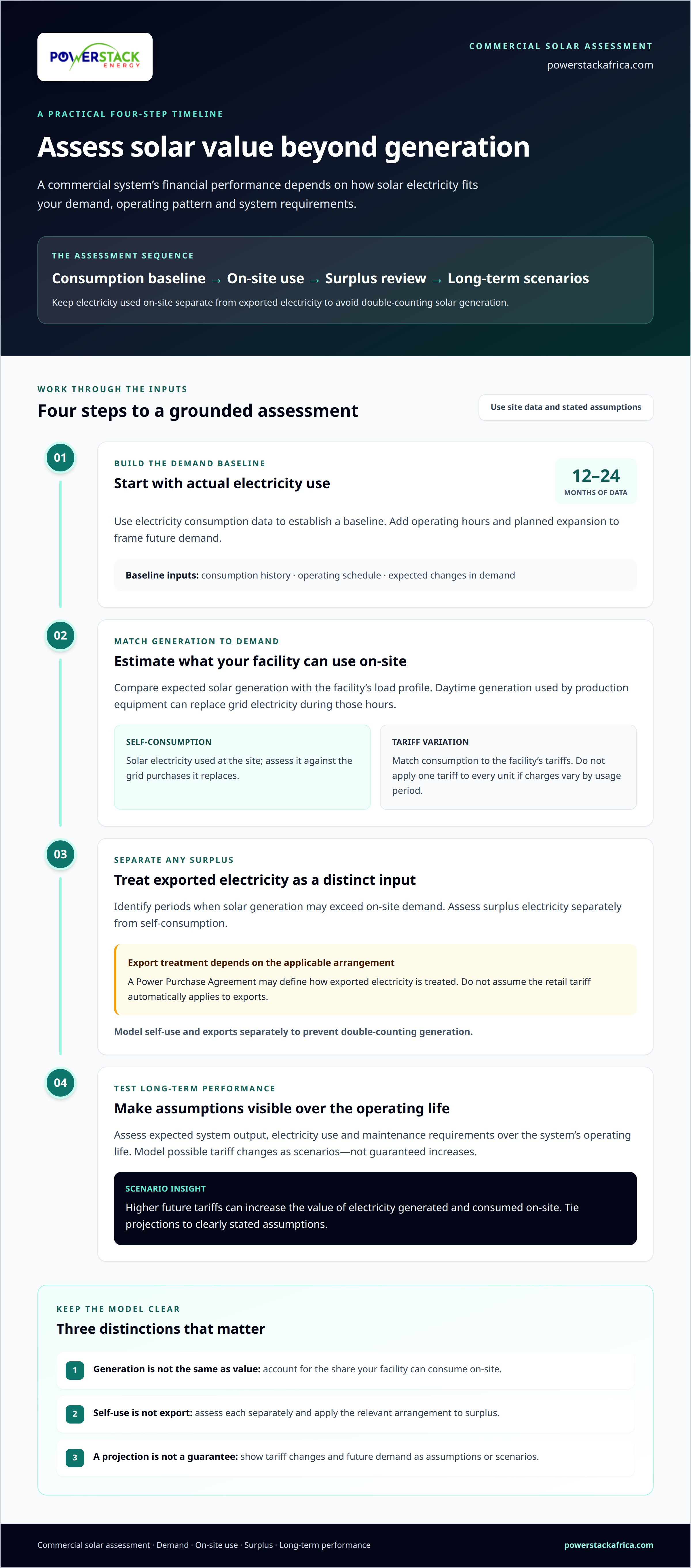
Match consumption data with your facility’s electricity tariffs. The calculation measures solar electricity used on-site against the grid purchases it replaces, then estimates the energy reduction across operating periods. For example, daytime generation used by production equipment replaces grid electricity during those hours. Avoid applying one tariff to every unit if charges vary by usage period.
-
How a professional estimates future energy use and credits
Estimate future energy use using expected generation and your business’s load profile. Twelve to twenty-four months of electricity consumption data can establish a baseline, while operating hours and planned expansion help frame future demand. Include energy credits only when an applicable arrangement supports them, and distinguish credits from avoided electricity purchases in the financial model.
-
How a professional assesses excess electricity
Identify when solar generation may exceed on-site demand, then assess that surplus separately. The treatment of exported electricity depends on the applicable arrangement, such as a Power Purchase Agreement, rather than the retail tariff automatically applying to exports. Separating exports from self-consumption helps the commercial solar assessment represent each source of energy without double-counting generation.
-
How a professional assesses long-term energy performance
Assess expected system output, maintenance requirements and electricity use over the system’s operating life. Model possible tariff changes as scenarios, not guaranteed increases. Higher future tariffs can increase the value of electricity generated and consumed on-site. This analysis shows how solar may affect energy use, with projections tied to stated assumptions.
How to Assess Performance of a Commercial Solar Plant
Assess a commercial solar plant by reviewing its electricity generation, on-site use and contribution to the facility’s power supply.
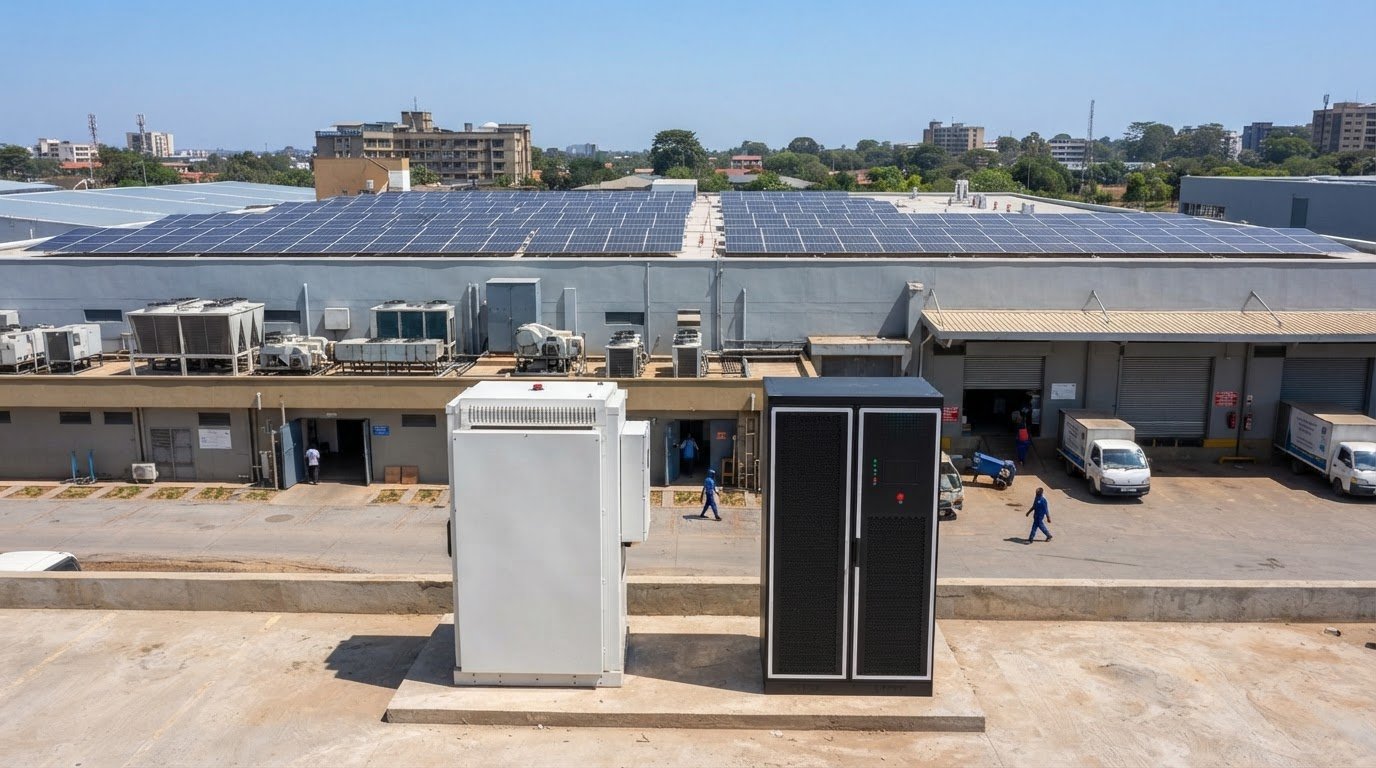
In Kenya, grid-tied solar offsets grid electricity during generation, while hybrid systems add storage for later use. A solar-diesel system can also reduce generator runtime; its performance depends on the fuel use displaced and the facility’s load profile.
-
How a professional assesses solar performance
Review expected annual generation alongside the facility’s electricity demand. Account for the share of solar power consumed on-site and record any electricity exported separately. This gives you a clear view of how the system performs under actual operating assumptions.
-
How a professional reviews system operation
Assess how the system operates across different conditions, including changes in generation, consumption and load profile. Review solar output against the facility’s demand, and consider how storage supports later use. This helps you understand the system’s contribution to power reliability and the role of each component.
-
Review commercial solar performance benchmarks
Use available commercial benchmarks as reference points, not Kenya-specific forecasts. A 3-7 year payback is described as a strong benchmark, while a financial metrics table gives 3-6 years. These different ranges show why your analysis must reflect site generation, consumption and system operation. Payback measures time to recover an outlay; return on investment also considers financial benefits across the system’s lifetime.
Maintenance Costs
Include annual operations and maintenance in the financial model, not just the initial installation. Inspections, cleaning, monitoring and possible equipment replacement all affect lifetime project costs and net savings.
- Separate routine maintenance from occasional repairs in the model. Include panel cleaning, electrical inspections and performance monitoring as recurring activities, then account for faults as separate events. For example, a production discrepancy may prompt an inspection before it causes a prolonged drop in solar output. This distinction helps show how maintenance affects annual electricity-bill savings.
- Set an annual operations and maintenance assumption, then test its effect on returns. One estimate uses 0.5% of total system cost annually; another gives a range of 0.6% to 1.5% of total project cost. Treat these as alternative modeling assumptions, not a Kenya-specific tariff. Show how each changes lifetime net savings and payback.
- Include inverter replacement as a potential lifetime expense, separately from routine maintenance. Its timing and cost depend on equipment and operating conditions, so model replacement as a future cash-flow event rather than an annual charge. Make the assumption visible: excluding a replacement event can overstate lifetime profit and return on investment.
- Build a complete project-cost schedule before calculating ROI. Start with the initial installation investment, add annual maintenance and modeled replacement events, then subtract only incentives applicable to the project. Compare these inputs with projected savings over the same period. A sensitivity check using different maintenance assumptions shows whether the investment remains viable if upkeep needs increase.
Occasional inspections and cleaning also belong in maintenance budgets.
How to Build a Commercial Solar Cash-Flow Model
Build a year-by-year cash-flow model in KSh to show how project performance changes over time. A commercial solar ROI calculation methodology makes assumptions visible and links each projected benefit to a defined input.
- Set the assessment period and record the system’s projected performance in the opening period. Forecast solar generation using the site design and expected operating conditions, then align output with the facility’s demand schedule. Separate electricity consumed on-site from surplus generation. This clarifies how much projected value comes from avoided grid purchases and how much depends on exported electricity.
- Map energy savings and other operating benefits into each period. Record avoided electricity purchases and any export income separately, using the applicable tariff or export arrangement. Include annual maintenance in recurring periods and scheduled equipment replacements when expected. This timeline prevents one-off events from being mistaken for annual benefits.
- Model system performance under separate scenarios. Show solar generation and energy use for each period, then calculate the net energy contribution. This helps decision-makers distinguish system performance from changes in operating conditions.
- Review cumulative energy performance and test the assumptions that most affect results. Vary generation, on-site consumption and electricity tariffs separately. Compare projected energy output and savings across scenarios. Apply the commercial solar ROI calculation methodology consistently when assessing planned expansion, so the model reflects revised demand instead of assuming current consumption will stay unchanged.
Powerstack Energy
Powerstack Energy Ltd connects commercial solar investment assessments with project designs based on facility electricity demand. Its Commercial Solar EPC, Energy Audits, Battery Energy Storage Systems, and Hybrid Inverters & PCS support energy planning and system implementation.
An Energy Audit assesses how your facility uses electricity and where solar generation could serve operating loads. This gives financial modelling a site-specific basis by connecting consumption patterns, operating hours, expected generation and maintenance assumptions. You can then see how technical requirements relate to projected savings and payback.
Commercial Solar EPC brings system design and project delivery together. It is relevant when you need a solar installation planned around existing electrical infrastructure and facility demand. The design should account for how your business will use generated electricity, rather than treating system capacity alone as a measure of financial performance.
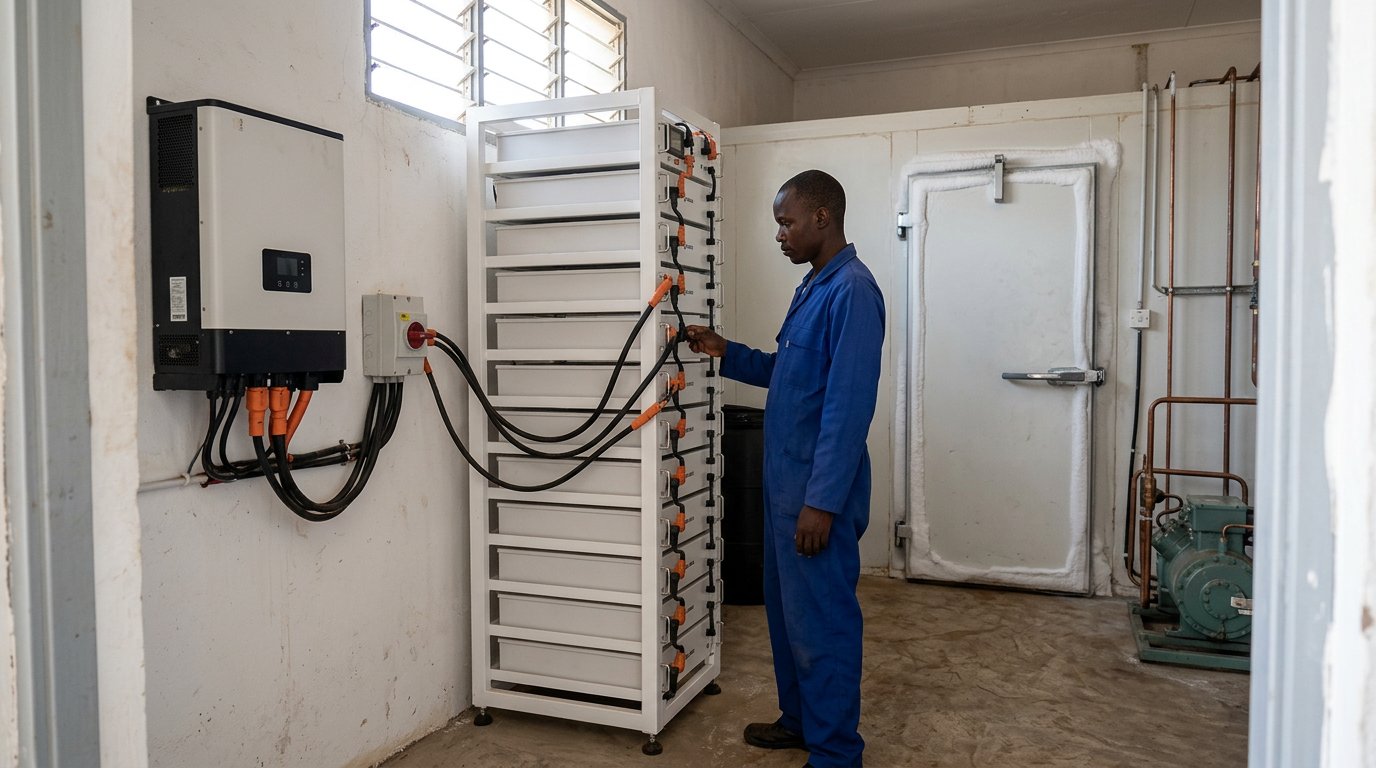
Battery Energy Storage Systems and Hybrid Inverters & PCS may suit facilities that need stored energy or coordinated power conversion. Their role in the project model depends on your operating pattern and when stored electricity is expected to serve loads. Including these requirements helps align financial assumptions with the intended system configuration.
Bring together your electricity consumption data, operating requirements and project priorities to assess the next step. Powerstack Energy Ltd can develop a commercial energy solution aligned with your facility’s requirements.
Contact Powerstack Energy Ltd to discuss your commercial solar requirements.
Frequently Asked Questions
What Affects the ROI of a Commercial Solar Installation?
Property tenure can affect how long your business benefits from a solar investment. If you lease the premises, compare the lease term with the project’s expected operating period and consider whether renewal or renegotiation is practical. A landlord may benefit through property value or marketability, while a tenant’s returns depend on access to the installation and the agreement terms.
Commercial Solar ROI Calculator: What information does a professional need to estimate your business’s savings in 2026?
Alongside operating records, provide site drawings, details of planned structural modifications, and the proposed project scope. Include relevant lease or property ownership terms, since these can affect the period over which your business can benefit. If you are considering external funding, share the proposed repayment structure. These materials help the professional assess project boundaries and model the appropriate ownership and cash-flow case for 2026.
How does a professional calculate solar system ROI and optimise long-term returns?
Review the financial model periodically as electricity tariffs, applicable incentives and business conditions change. Record changed assumptions, then update projected cash flows instead of relying indefinitely on the original forecast. This review can show whether the project’s expected value has shifted and whether operational or financial planning should be adjusted. Treat potential incentives and tariff changes as uncertain until they apply.
What is ROI in Rooftop Solar?
Rooftop solar ROI measures an investment’s financial performance, not every potential benefit. A financial calculation may not capture indirect outcomes such as improved stakeholder perception or property marketability. Keep these considerations separate from quantified electricity savings so decision-makers can distinguish financial benefits from broader business or property considerations.
How does a professional calculate commercial solar system ROI, payback period, and IRR?
These measures describe different aspects of a project’s financial performance. ROI indicates gain relative to investment, payback shows how long recovery takes, and IRR expresses the return implied by the timing of projected cash flows. A professional presents them together so you can compare the project’s recovery profile with your organisation’s investment criteria, rather than relying on one metric alone.
How should commercial solar savings account for self-consumption, exports, and battery storage?
Compare storage and no-storage scenarios using consistent assumptions, then identify which benefits depend specifically on the battery. A battery may support backup needs and shift solar energy for later use, but reliability value is distinct from electricity-bill savings. Show those outcomes separately in the business case, and assign a financial value to backup only when the model has a defensible basis for doing so.