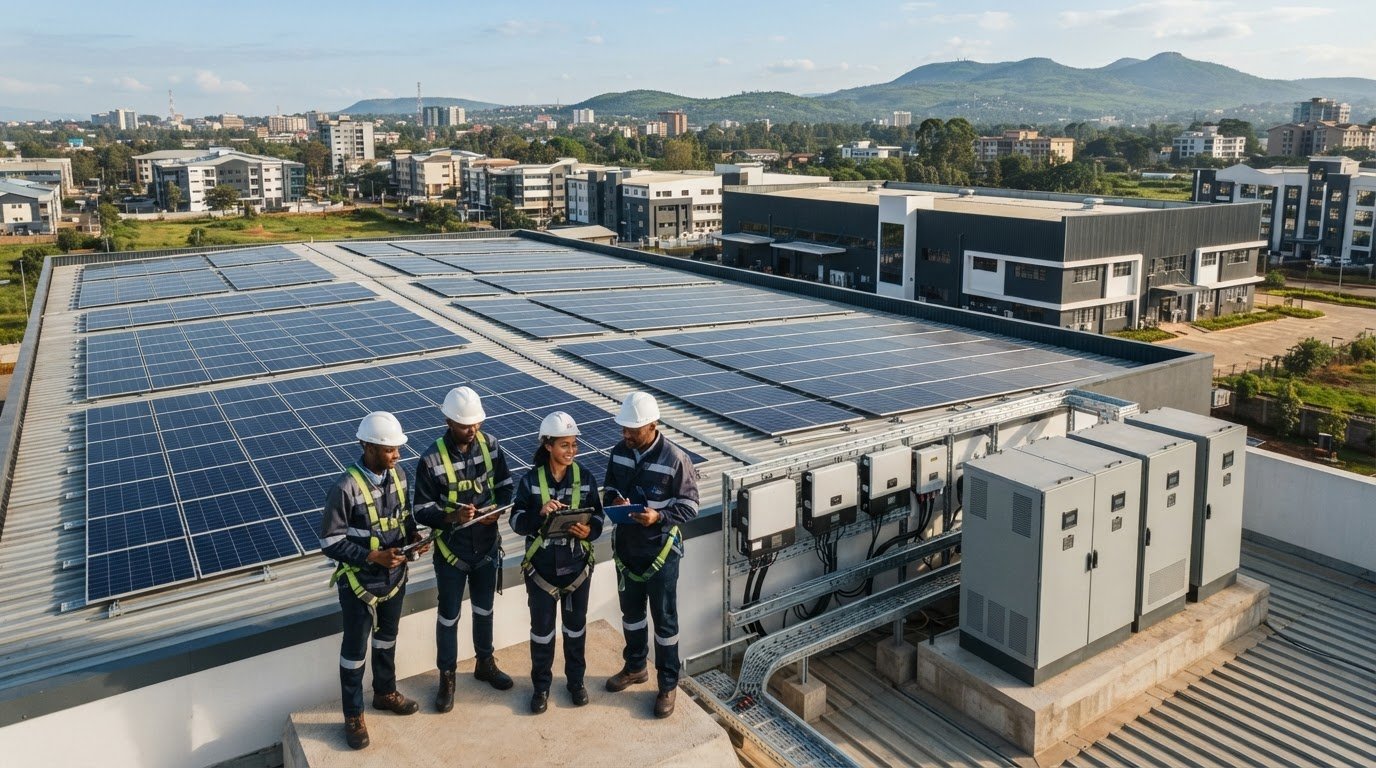
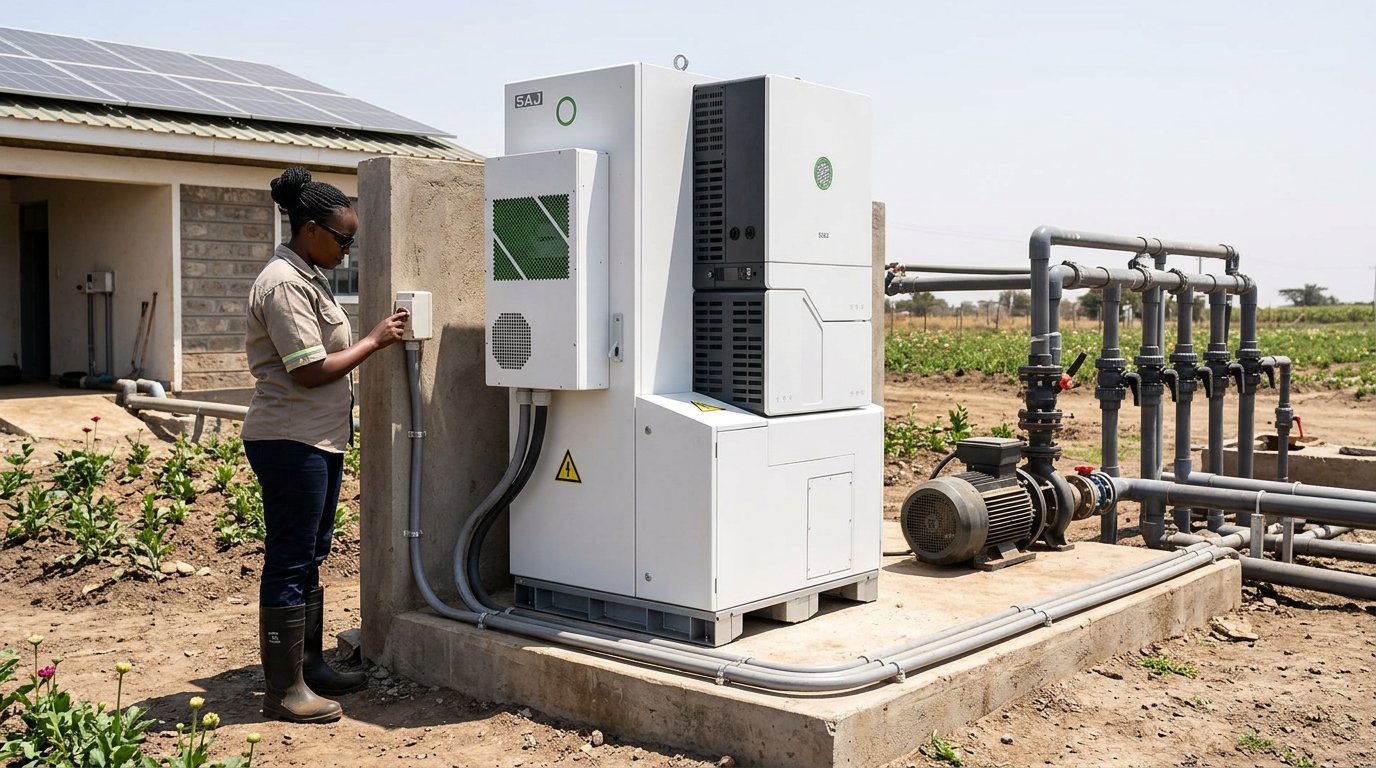
Peak electricity demand does not always have to coincide with peak operations. Commercial load shifting solutions move flexible electricity use to periods when on-site solar generation is available, helping businesses manage demand without interrupting essential processes. The principle is practical: adjust when equipment runs, store energy for later use, or combine both approaches to suit the facility’s operating needs.
You may be looking for ways to manage electricity demand while keeping production, comfort and service levels stable. This article explains how load shifting works, which processes may be suitable, and how businesses can use batteries, energy management and operating schedules to respond to demand peaks, align consumption with renewable generation, and assess opportunities at their sites.
Key Takeaways
- Shift flexible operations toward periods when solar generation is available or electricity is less costly, while maintaining required production and service levels.
- Use electricity demand patterns and operating schedules to identify processes that can move without disrupting essential loads.
- Coordinate batteries, power conversion equipment and energy management to manage peak demand and support site-specific needs.
- An energy audit can help establish whether Commercial Solar EPC, Battery Energy Storage Systems, or Hybrid Inverters & PCS fit your facility’s load profile.
Aligning consumption with renewable generation
Solar generation and business demand do not always coincide. Load shifting aligns flexible operations with available on-site generation, reducing the need to draw all electricity from the grid when solar output falls. For example, a facility can schedule water pumping or thermal storage during sunny hours, then use the stored water or cooling capacity later. This works best when a process can pause or run on a flexible schedule without affecting production.
Vehicle charging is another flexible load. Fleet operators can schedule charging during strong solar output instead of connecting every vehicle after its transport shift. An energy management system can coordinate charging with other site loads, battery charging and operating schedules. Operators should account for departure times and required vehicle range so shifting demand does not delay deliveries or reduce fleet readiness. If solar production changes, the schedule can adjust to protect essential site operations.
For Kenyan businesses, key operational risks include mismatched batteries and inverters, inadequate fire-safety design, and shifting loads in ways that interrupt essential processes. Backup power during a grid outage depends on system configuration, inverter capabilities, reserve settings and applicable grid regulations. Site-specific engineering should also account for how critical equipment will operate when stored energy is unavailable.
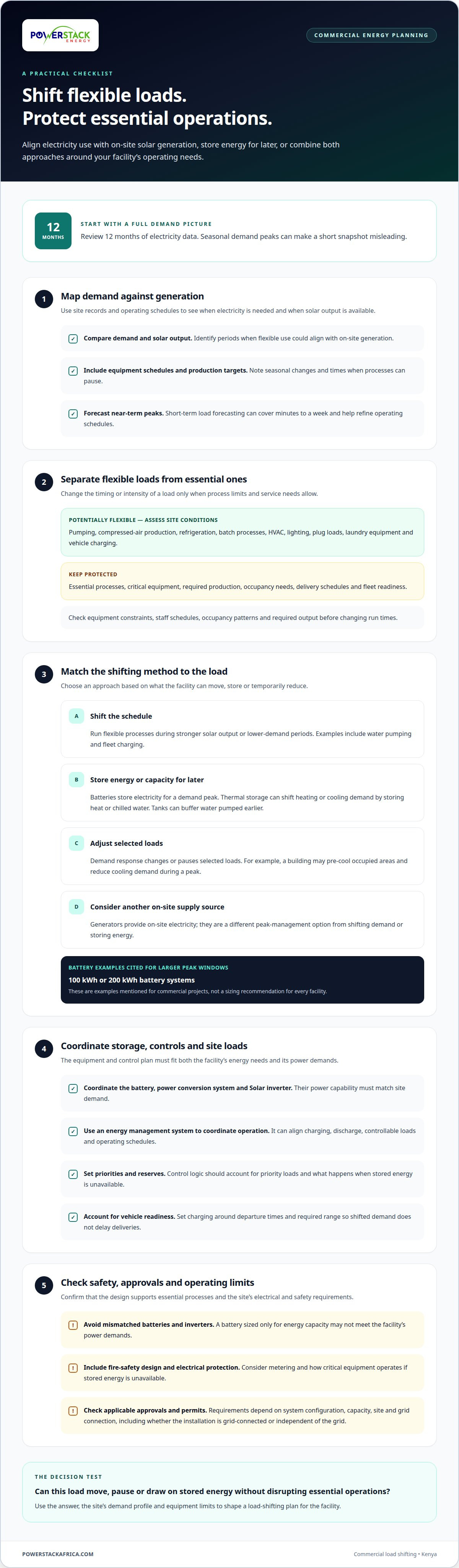
A practical assessment starts with the facility’s generation and demand profiles. Commercial and industrial projects are better informed by 12 months of electricity data, since demand peaks can vary by season. Compare those records with solar output and identify loads that can move without creating production pressure. Then model how battery storage and control equipment can cover the gap between generation and demand. Commercial load shifting solutions should match the site’s operating pattern, not just its installed solar capacity. This makes it easier to distinguish flexible loads from equipment that must remain online.
Commercial and industrial applications
At commercial and industrial sites, shifting demand can help reduce peaks without lowering daily output. Pumping, compressed-air production, refrigeration and batch processes may offer scheduling flexibility, depending on operational limits. Mining operations, for example, can schedule dewatering pumps around site demand patterns. Water stored in tanks provides a buffer, allowing pumps to run when the electrical load is lower. The priority is to protect process requirements while changing when electricity is used.
Start with 12 months of electricity data. Seasonal demand changes can make a short snapshot misleading. Match the consumption profile to equipment schedules, production targets and periods when a process can pause. Then identify whether the site can shift a load directly, store energy for later, or reduce demand temporarily. A facility with storage tanks may shift pumping; a warehouse may adjust refrigeration cycles within safe operating limits. These methods connect demand management with operational efficiency.
Commercial buildings and businesses can combine battery energy storage systems in Kenya, an energy management system, power conversion systems, controllable loads and on-site generation. Batteries can store electricity for use during a demand peak; the PCS and inverter power must match site demand. Commercial projects may use a 100 kWh or 200 kWh battery system to shift a larger peak window. For project sizing, high voltage battery storage in Kenya should be matched to priority loads, required backup duration and system compatibility. Control systems coordinate charging, discharge and operating schedules, reducing unnecessary overlap between large loads.
In Kenya, applicable approvals and permits depend on the system configuration, capacity, site and grid connection. Project design should establish relevant grid-interconnection requirements, electrical protection and metering needs, as well as any applicable site or fire-safety approvals. Considerations differ between grid-connected installations and systems operating independently of the grid.
Develop the operating strategy around priority loads, reserve requirements and the site’s demand profile. A battery sized only for energy capacity may not meet a facility’s power demands; PCS output and control logic also matter. An energy audit for commercial facilities can assess load patterns and storage requirements before system design proceeds.
Peak load management in commercial buildings
Managing a building’s peak means balancing electricity demand with available supply. The right approach depends on which loads can shift without disrupting operations.
Comparing Peak Management Options
Battery storage saves electricity for use during a peak; thermal storage shifts heating or cooling demand by storing heat or chilled water. Generators provide on-site electricity, while demand response changes or pauses selected loads. Each method addresses a different operating need: batteries respond to electrical demand, thermal storage suits buildings with flexible cooling requirements, and generators provide another supply source. Demand response can reduce demand without adding storage equipment.
For example, a commercial building could pre-cool occupied areas, then reduce cooling demand during a peak. Combining methods can balance supply and operating requirements, but control settings must protect critical equipment.
Assessing Loads for Shifting
A load assessment identifies equipment that can change its operating time or intensity while maintaining required output. Start by separating essential loads from flexible ones, then review HVAC, lighting, plug loads and equipment schedules. Processes that do not run continuously may be suitable candidates. For example, laundry equipment may be shifted to a quieter demand period if staff schedules and service needs allow.
Short-term load forecasting, covering minutes to a week, helps identify peak periods and improve operating schedules. Compare forecasts with equipment constraints, occupancy patterns and production requirements. This helps determine which loads can shift safely and which must remain available.
System Installation and Implementation
Implementation progresses from site assessment to system design, installation and operational testing. First, engineers map demand, identify priority circuits and define the peak-management strategy. They then size storage and power conversion equipment to the site’s load and operating profile, while planning integration with existing controls.
Next, installation design addresses electrical protection, fire safety and grid connection requirements where applicable. Commissioning tests charging, discharging, load response and control settings under operating conditions. A staged handover allows facility operators to review schedules, reserve settings and procedures for maintaining essential supply safely during system changes.
Shifting electricity use to low-cost periods
Load shifting changes when a facility draws electricity, not how much useful work it completes. A business can schedule a flexible machine during a period of lower site demand, then manage essential loads when overall demand rises. Batteries can store grid electricity for later use, even without solar panels. The operating plan should reflect the facility’s equipment, production schedule and power requirements.
Build the assessment using electricity bills and interval data, where available. Compare recorded demand with equipment schedules, production requirements and periods of on-site solar generation. For example, a cold-storage facility may schedule a flexible refrigeration cycle earlier while maintaining required temperatures. A manufacturing site might reschedule a non-urgent machine run rather than operate several large loads together. Controls must preserve stable processes and protect essential equipment.
Battery dispatch also needs a defined operating plan. Set charging periods, discharge thresholds and reserve levels according to the facility’s demand profile. Consider how solar output, production schedules and essential loads change across operating shifts. After commissioning, compare actual consumption with the planned profile and refine control settings as working patterns change. This keeps battery operation aligned with the site’s actual requirements rather than a generic schedule.
An energy assessment can map the load profile and identify operational changes that fit the facility. Use the findings to determine which equipment can shift and how storage can support those changes. Request a commercial energy assessment to evaluate your facility’s operating profile.
Load shifting moves use to cheaper, greener wholesale periods and cuts high-price use, using more power when cheaper and less when more expensive. Australian solar hours are typically 10 am to 3 pm. Indicators include spare capacity for shorter, higher-activity runs with the same daily outputs, internal storage such as silos, dams and tanks, and time-varying energy charges, including time-of-use charges.
Powerstack Africa Energy Ltd
Powerstack Africa Energy Ltd helps businesses across Kenya assess and implement energy systems suited to their operating profiles. When shifting demand calls for storage, solar generation or coordinated power conversion, its Energy Audits identify relevant load patterns and inform system design. Commercial Solar EPC, Battery Energy Storage Systems, and Hybrid Inverters & PCS support integrated project delivery, with configurations aligned to site requirements and operating priorities.
Consider an assessment if your facility has recurring demand peaks, flexible processes or on-site generation that could better match consumption. It can clarify which loads are shiftable and how storage or generation may fit your operating plan. Contact Powerstack Africa Energy Ltd to discuss your facility’s load-shifting requirements.
Make your next energy decision measurable
Turn your facility’s operating data into a decision framework. Define the performance measures that matter, such as peak demand, continuity for essential loads and how well consumption aligns with available generation. This gives your team a clear basis for evaluating options and tracking results after implementation.
Powerstack Africa Energy Ltd’s engineering team can help turn site requirements into a practical project assessment. Bring your operating priorities and energy data into the discussion so the next decision reflects your facility’s needs.
Contact Powerstack Africa Energy Ltd to discuss a suitable next step for your site.
Frequently Asked Questions
What Is Load Shifting?
Load shifting changes when electricity is consumed to better match operating needs, generation or tariff periods. For example, a business can charge electric forklifts between shifts rather than charging them all when staff arrive. The energy task remains the same, but its timing changes. A workable schedule accounts for equipment availability, production deadlines and the electricity supply needed for essential operations.
What are commercial load shifting solutions and how do they work?
These commercial load shifting solutions combine operating schedules, control equipment and, where suitable, battery storage to shift electricity demand. An energy management system can coordinate flexible loads and battery operation with a facility’s demand profile. For instance, it may defer a non-urgent equipment cycle while maintaining priority circuits. The design must account for power requirements as well as stored energy, as both determine which loads the system can serve.
How do Kenya Power tariffs, time-of-use rates, and demand charges affect load shifting?
For commercial load shifting solutions, your Kenya Power bill and applicable tariff determine whether changing consumption times affects the amount billed. If your tariff applies different rates at different times, shifting flexible use to a lower-rate period can affect energy charges. Where demand charges apply, reducing the facility’s recorded peak may also matter. Review the billing structure alongside consumption records; changing the schedule alone does not ensure lower charges.
Which commercial load shifting providers and solutions operate in Kenya?
Powerstack Africa Energy Ltd provides commercial energy solutions across Kenya, including Commercial Solar EPC, Battery Energy Storage Systems, Hybrid Inverters & PCS, and Energy Audits. These services can support businesses assessing storage, solar generation and power conversion for load shifting. An Energy Audit can map a facility’s consumption profile before system design. The right configuration depends on site demand, operating priorities and the equipment being integrated.